Nothing beats the joy of traveling and exploring new places! But getting sick on a trip? This can turn your dream vacation into a nightmare — and empty your wallet quickly.
A single appointment with a doctor abroad can cost hundreds of dollars. Emergency care can cost thousands. And missing flights or tours because you’re bedridden? That’s money you’ll never see again.
The good news is that being healthy while on the road does not have to cost you a fortune. Indeed, many of the best health habits cost very little — or nothing.
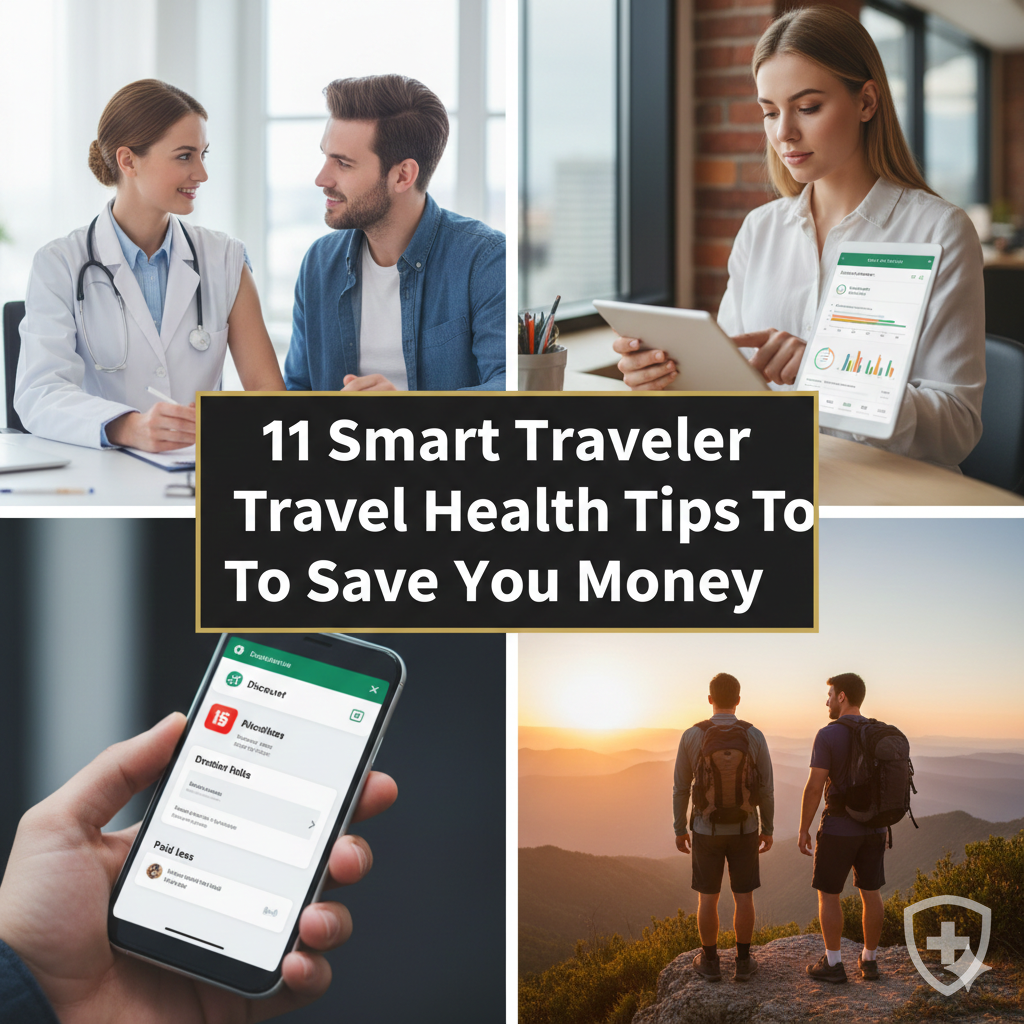
Here are 11 realistic and budget-conscious travel health tips to help ensure you feel good from takeoff to landing. Whether you’re a pathfinder or a globetrotter, these tips will help save you time and money.
1. Buy Travel Insurance Before You Leave Home
That may sound like spending money, not saving it. But hear this out.
Purchasing travel insurance is one of the smartest financial decisions you can make before any trip. At the low end, a basic plan will run $30 to $60 for a weeklong trip. But one hospital visit abroad with no insurance? That alone can easily cost $1,000 or more.
For more guidance on managing your health finances while traveling, visit Global Health Financial — a helpful resource for travelers looking to make smarter healthcare spending decisions.
What Good Travel Insurance Typically Covers
| Coverage Type | Why It Matters |
|---|---|
| Emergency medical care | Covers hospital bills abroad |
| Medical evacuation | Pays for transport home if needed |
| Trip cancellation | Refunds non-refundable costs if you get sick |
| Lost medications | Helps replace prescriptions |
| Dental emergencies | Covers unexpected tooth pain or injury |
Always read the fine print. Some plans exclude pre-existing conditions. Others limit coverage for certain types of care. When you are buying, compare two or three plans.
Websites such as Insure My Trip or World Nomads allow you to compare plans side by side.
2. See Your Doctor 4–6 Weeks Before Travel
That is some of the best money-saving travel health advice, however it does require a bit of forward planning.
Many travelers wait to think about health prep only until it is almost too late. Then they pay through the nose for last-minute vaccinations or search desperately for a travel clinic in the week before they leave.
Seeing your doctor early leaves you time to get needed vaccines on a regular schedule — which is almost always less expensive. It also provides an opportunity to replenish your prescription medications, obtain referrals if you need to see a local doctor, and address any health risks particular to wherever you’re going.
Questions to Ask Your Doctor Before Traveling
- Will I need any vaccinations for where I’m going?
- Can I take my current medication in a different time zone?
- What do I include in a travel first-aid kit?
- Is there a local health outbreak I need to be aware of?
- Will I need pills or other preventative medicines for malaria?
Other vaccines need to be administered in two or more doses separated by weeks or even months. Beginning early means you’ll be completely protected — and you won’t have to pay for last-minute or repeat visits.
3. Assemble a Smart Travel Health Kit (Without Breaking the Bank)
A good travel health kit can spare you from having to pay tourist rates for basic medicines once you arrive at your destination.
In tourist areas, pharmacies tend to charge two or three times as much for the products you can get back home. A tiny bottle of pain pills at an airport pharmacy could cost $12. At your local pharmacy before the trip? Under $4.
What to Bring in Your Travel Health Kit
For Pain and Fever: Ibuprofen or acetaminophen for headaches, muscle pain and fever. Both are inexpensive and readily available before you leave.
For Stomach Problems: Bring antidiarrheal tablets, antacids and oral rehydration salts. Traveler’s diarrhea is one of the most common travel illnesses, and treating it early prevents worse problems later on.
For Cuts and Scrapes: A handful of adhesive bandages, antiseptic wipes and antibiotic ointment can go a long way.
For Allergy and Congestion: Antihistamines work for allergies, insect bites and mild reactions. Decongestants can help with ear pressure on flights.
Other Basics: Sunscreen, insect repellent containing DEET, hand sanitizer and any medications you take on a regular basis.
For a fraction of what you’d pay abroad, you can buy all this at home before your trip.
4. Drink Water — It’s Free and It Works
Dehydration is one of the top causes of travel fatigue, headaches and digestive issues. And fixing it costs nothing.
Flying sucks the moisture out of your body faster than most people realize. Airplane cabins are extremely low in humidity — sometimes down to 10–20%. Add in alcohol, coffee and salty airport snacks, and many travelers reach their destination already dehydrated.
Hydrate Better With These Free, Simple Habits
- Before you get on the plane, drink a full glass of water
- Bring a reusable water bottle and carry it through security empty
- Avoid alcohol and too much caffeine during your flight
- Aim to drink water regularly throughout the day, rather than just when you are thirsty
- In places where you can’t drink tap water, buy big bottles — it’s cheaper per liter
Being well hydrated is good for your immune system, it helps keep your energy levels up and prevents you from feeling sluggish in a way that can ruin days of travel. It also prevents you from wasting money on sugary drinks or expensive energy supplements.
5. Eat Smart Without Spending More
Food is one of the major health risks when you travel — but also one of the major opportunities to save money.
Street food takes a lot of heat, but in many countries it is actually safer and fresher than restaurant food. The trick is knowing what to look for.
How to Eat Safely on a Budget
Follow the crowds. Turnover is high at a busy food stall, which means fresher ingredients. Skip locations that feel deserted or filthy.
Choose cooked over raw. In places where food safety standards differ, hot, freshly cooked food is almost always safer than salads or raw vegetables.
Peel your own fruit. Whole fruit that you peel yourself — like bananas, oranges or mangoes — is among the safest snacks in any country.
Avoid ice in risky areas. Ice made from unsafe tap water isn’t safe either.
Shop at local markets. Fruit and vegetables from a local market tend to be less expensive and healthier than meals at tourist restaurants.
Eating well means less stomach trouble — which translates to fewer trips to the pharmacy, fewer sick days and more money in your pocket.
6. Sleep Well to Maintain Your Immune System
Sleep is free, and it’s one of the most powerful ways to stay healthy on the road.
The less sleep you get, the more your immune system runs down. That makes you more susceptible to colds, to illness after a long flight, or difficulty recovering from jet lag. And sick travelers spend money — on medicine, on doctor visits, on skipped activities for which they’ve already paid.
Fight Jet Lag Without Spending a Penny
- For the days leading up to your departure, try shifting your sleep schedule closer to the time zone of your destination
- Seek natural sunlight upon arrival — it sets your internal clock quicker than any supplement
- Stay clear of heavy meals and alcohol before bedtime
- On the first night, force yourself to stay awake until local bedtime, however tired you are
- Carry earplugs and an eye mask — pack these in your own luggage instead of buying at the airport
Good sleep also boosts your mood, your decision-making and your energy — all of which contribute to a better overall travel experience.
7. Familiarize Yourself With Free Offerings at Your Destination
Most travelers have no idea that so many health resources are free or very low cost in other countries.
Some countries provide free or heavily subsidized healthcare to travelers. European countries, for instance, frequently have public health systems that charge little or nothing for emergency visits. Canada, Australia and New Zealand have public health agreements with certain other countries.
Before You Travel, Look Up
- Whether your home country has a health reciprocal agreement with your destination
- Where the closest public hospital is — not only private clinics, which cost more
- Whether there are free community health clinics at your destination
- What your travel insurance covers and how to file a claim overseas
- Local emergency numbers — not all countries use 911
This research takes about an hour at most, and can save you thousands of dollars if something goes wrong.
8. Seek Telemedicine Virtual Care Instead of Urgent Care
Telemedicine has made a world of difference for travelers who get sick abroad.
Rather than shelling out of pocket for a clinic visit in another country — where expenses can be unpredictable — you can video chat with a licensed physician from your hotel room. Most telemedicine services cost $40–$75 per visit. That is frequently much less than an in-person clinic overseas.
Benefits of Telemedicine for Travelers
| Benefit | Why It Saves Money |
|---|---|
| No travel to a clinic | Saves local transport costs and time |
| Flat-fee pricing | No surprise bills |
| Digital prescriptions | Can be filled at local pharmacies |
| Available 24/7 | No emergency clinic rates |
| Widespread access | Just need phone and internet |
Teladoc, MDLive and PlushCare are among apps that provide quick, affordable consultations. Some travel insurance policies also provide coverage for telemedicine at no additional cost.
For minor illnesses — sinus infections, rashes, UTIs, stomach bugs — telemedicine is nearly always the more affordable and quicker option.
9. Defend Yourself From Bugs Without Breaking the Bank
Mosquitoes and insect-borne diseases are a major danger in many travel destinations. Malaria, dengue fever, Zika and chikungunya are among the diseases transmitted through insect bites.
Treating any of these illnesses is expensive. Preventing them is cheap.
Budget-Friendly Insect Protection
Pack your own repellent. The more effective products contain DEET in the 20–30% range. They are much cheaper to buy at home than at your destination, so buy a big bottle and bring it along.
Wear the right clothes. Wearing long sleeves and long pants in the evening provides free protection from mosquito bites.
Choose accommodations wisely. Most budget hotels in the tropics have a mosquito net. If not, purchase a travel net online before you depart — they run around $10–$15 and are reusable.
Check malaria risk early. If your travel destination is a malaria area, discuss prophylactic medication with your doctor. Preventing malaria is far less expensive than treating it.
Time your outdoor activities. Mosquitoes are especially active at dawn and dusk. Staying indoors during these peak times reduces your risk for free.
10. Keep Calm and Stay Well
This one tends to take people by surprise. But stress is inextricably linked with physical health.
Chronic stress compromises the immune system, interferes with sleep, creates digestive problems and elevates blood pressure. Travelers with high levels of anxiety and overwhelm are much more likely to get sick — and much more likely to make poor decisions that cost them money.
Affordable Solutions for Travel-Related Stress
Have a plan, but allow for flexibility. Overscheduling causes burnout and frustration. Build in downtime.
Walk instead of taking taxis. It’s free, it’s a fantastic workout, and it’s one of the best stress relievers known to science.
Practice deep breathing. Simple breathing exercises — inhaling for 4 counts, holding for 4, exhaling for 4 — can quickly soothe anxiety. No app or equipment needed.
Connect with people you trust. A phone call or a message home can dispel the loneliness that sometimes overtakes solo travelers.
Set a daily spending budget. Financial stress is one of the biggest travel stressors. Understanding your limits lowers stress considerably.
Keeping stress low keeps your immune system strong — and a robust immune system means fewer sick days and fewer medical bills.
11. Prepare With Basic First Aid Knowledge
First aid is free to learn, and it can prevent you from needing a clinic visit for something minor.
A free or low-cost first aid course from the Red Cross or a local community center teaches you what to do about cuts, burns, sprains, allergic reactions and other travel mishaps. Many of these ailments can be comfortably self-managed with some knowledge and a basic travel health kit.
Where Knowing Basic First Aid Can Save You Money
- A small cut or scrape that requires only cleaning and bandaging
- A mild sprain that you can treat with rest, ice and elevation
- Sunburn that can be healed with aloe vera and fluids
- Motion sickness controlled with the over-the-counter tablets you brought
- Mild food poisoning managed with rest, fluids and oral rehydration salts
Knowing what you can treat on your own and what needs professional attention keeps both unnecessary clinic visits from emptying your wallet — and neglect from causing bigger problems.
Quick Guide: Your Health Checklist Before You Travel
| Task | When to Do It | Cost |
|---|---|---|
| Book doctor’s appointment | 4–6 weeks before | Varies (often covered by insurance) |
| Get required vaccines | 4–6 weeks before | Varies |
| Buy travel insurance | As soon as you book | $30–$100+ |
| Pack your health kit | 1–2 weeks before | $20–$50 |
| Research destination health risks | 2–4 weeks before | Free |
| Download a telemedicine app | 1 week before | Free |
| Take basic first aid course | 1 month prior | Free–$30 |
| Buy insect repellent and sunscreen | 1–2 weeks before | $10–$25 |
Money-Saving Travel Health Tips: FAQs
Q: Do I really need travel insurance for short trips? Yes. Even a weekend getaway can create an expensive health situation. A sprained ankle, a car accident, or a sudden illness can rack up bills far exceeding what you paid for insurance.
Q: How can I get travel vaccines for the least amount of money? Go to your primary care doctor instead of a private travel clinic, which tends to be more expensive. Your regular health insurance might cover some vaccines. Community health centers provide lower-price alternatives too.
Q: Will I really save money using telemedicine abroad? Absolutely. The cost of a walk-in clinic visit in many countries is $100–$300 or more without insurance. A telemedicine call usually costs $40–$75 and can take place from your hotel room.
Q: What should I do if I run out of prescription medicine while traveling? Schedule a telemedicine appointment with your doctor for a new prescription. International prescriptions can be filled at many pharmacies abroad, though this varies by country. Pack enough medication for your entire trip, plus a few extra days as backup.
Q: How can I locate a safe doctor or clinic abroad? A list of recommended local medical providers is typically maintained by your country’s embassy website. Your travel insurance provider also has 24/7 assistance lines that can refer you to vetted clinics.
Q: How safe is it to eat street food when traveling? Often yes, if you choose wisely. Look for stalls with high customer volume, food cooked fresh and served hot, and clean preparation areas. Stay away from raw or undercooked foods and unpeeled fruit in high-risk regions.
Q: What’s the single most important money-saving travel health tip? Prevention. Every dollar spent in advance of your trip — on vaccines, insurance, health kit supplies — can prevent 10 or 20 dollars’ worth of reactive care down the line. Prevention is always cheaper than cure.
Your Health Is the Best Travel Investment
Traveling doesn’t have to break the bank — and being healthy on the road doesn’t necessarily need a big budget either. It takes smart choices before and during your trip.
This guide features all 11 money-saving travel health tips, from pre-travel planning to on-the-road habits. All of them are practical, affordable and proven in the real world.
Consider your health a portion of your travel budget — not apart from it. A sick traveler is certainly a costly traveler. A healthy one is a happy one.
Spend a little time and some money early, and you’ll spend way less managing health issues later. Your future self — more relaxed, healthier and soaking in the trip — will appreciate it.
Safe travels. Stay well. And don’t ever let a preventable health issue end your adventure early.