Money does not frequently appear when you require it the most. A car breaks down. A medical bill arrives. A business opportunity knocks. These moments can be overwhelming — particularly when you don’t have the cash immediately available.
That’s where payment plans can help.
With a payment plan, you can break up a large expense into smaller, easier-to-manage pieces. Rather than paying $1,200 immediately, a customer pays $100 per month for 12 months. It sounds simple — and it is. But most people never take a second to think about how to use payment plans wisely. They either steer clear of them out of fear or dive in without a strategy.
Think you need to avoid payment plans? This article explains 10 smart ways to use them so they work in your favor — not against it. Whether you are a student, a parent, a small business owner or just trying to get ahead in life, there is something here for you.
In Praise of Payment Plans (Yes, Even With Interest)
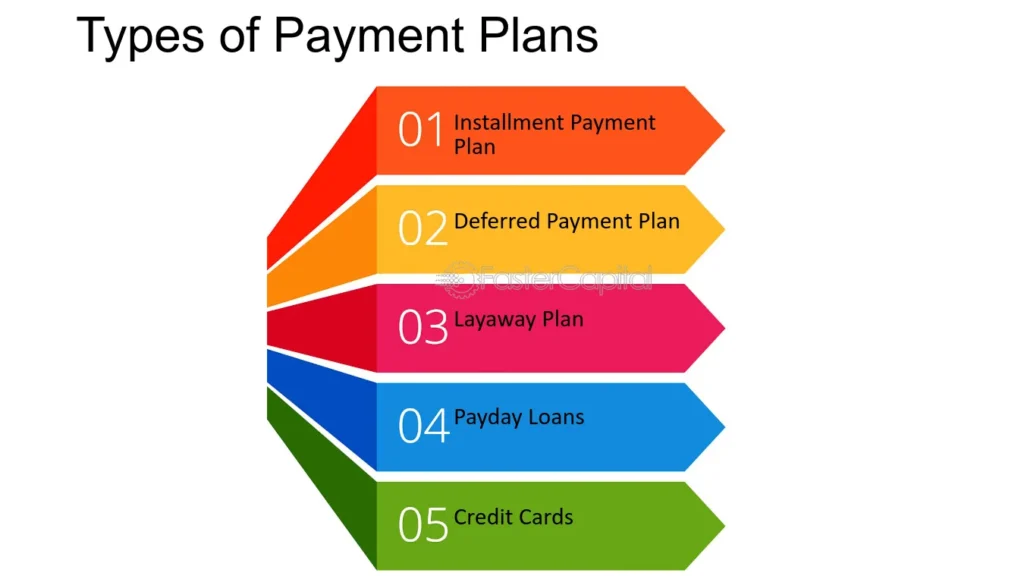
Before getting into the tips, let’s clarify something. Payment plans are not meant only for broke people. They’re tools. And like any tool, the way you use them is more important than the tool itself.
A hammer can construct a house or smash a window. Payment plans can boost your finances or bury you in debt. The difference is knowledge and intent.
Used wisely, payment plans can:
- Increase your monthly cash flow
- Make it possible for you to purchase things that will increase your income or quality of life
- Build or boost your credit
- Keep emergency savings intact
- Enable companies to close additional sales
Let’s get to the fun stuff now.
Saving Your Emergency Fund With Payment Plans
Your emergency fund is sacred. It’s meant for the unforeseen — unemployment, medical emergencies, major repairs to your home. The minute you start draining it for a planned purchase, you are exposed.
Here’s the more intelligent course of action: when you need to make a big, planned purchase — let’s say a new laptop for $900 — go on a payment plan instead of draining savings.
Pay $75/month for 12 months. Your emergency fund stays untouched. Your peace of mind stays intact.
When This Works Best
This approach works especially well for purchases you know are on the way. Back-to-school shopping, holiday presents, yearly insurance premiums — these are not unexpected. Figuring out a payment plan beforehand means you are still covered without depleting the fund you’ve so diligently established.
Quick Tip: Always weigh the total cost of the payment plan (with all fees and/or interest charges) against the peace of mind afforded by keeping your savings secure. Some things are totally worth the small fee to make it happen.
Use 0% Interest Payment Plans Like a Boss
Certain stores, credit cards and service providers offer 0% payment plans for a fixed period — sometimes six months, other times 24 months. You pay nothing extra if you pay off the balance before the promotional period runs out.
It’s one of the best deals in personal finance — if you use it right.
The Smart Way to Play It
Let’s say you purchase a couch for $1,800 on a 12-month, interest-free plan. That’s $150/month. You’re getting the couch now, paying no interest, and keeping $1,800 in your bank account — theoretically earning interest — as you pay it off.
That’s literally free money, if you do it right.
The Trap to Avoid
The danger? Missing the payoff deadline. A lot of 0% plans are “deferred interest” — which means you’re charged interest on the original account balance from day one if you don’t pay it off on time. Read the fine print. Always.
| Plan Type | Interest Rate | Risk Level | Best For |
|---|---|---|---|
| 0% Promotional | 0% if paid on time | Medium (deadline risk) | Planned purchases |
| Low Fixed Rate | 5–15% | Low | Longer-term needs |
| High-Rate Installment | 20–35% | High | Avoid if possible |
| Buy Now, Pay Later | Varies (often 0%) | Low to Medium | Smaller purchases |
Make Use of Payment Plans to Invest in Skills and Education
Education and skill-building are investments that give you a return. A coding bootcamp, a certification course, a business coaching program — these can dramatically increase your income. But they often require thousands of dollars upfront.
Payment plans allow these investments to become available today, not “someday when I save up enough.”
The Return-on-Investment Mindset
For example, if a $3,000 marketing course costs you $300/month for 10 months, and you gain one new client from that course for $1,500 — you’ve already made money. The payment plan built opportunity, not debt.
This is the way financially smart people think about education. Their question is never “Can I afford this?” They ask “Will this pay me back more than it costs?”
What to Look For in an Education Payment Plan
- Zero interest or low interest rate
- Flexible payment start dates
- Ability to pause because of financial hardship
- Clear cancellation policy
Expand Your Small Business Without Depleting Capital
As an entrepreneur, you are always keeping cash flow in balance. Equipment breaks. You need software upgrades. A marketing push requires investment. However, spending your entire capital at once may block operations.
Payment plans help business owners spread costs over time, all while the investment is already bringing returns.
Real-World Example
A small bakery requires a $6,000 commercial oven. Without a payment plan, they would have to deplete their savings or forgo the purchase altogether. With a 12-month payment plan at low interest, they pay $520/month — and the oven starts bringing in revenue right away.
The oven pays for itself while they pay it off. That’s leverage.
Business Purchases for Which Payment Plans Make Sense
- Equipment and machinery
- Software subscriptions billed annually
- Business vehicles
- Office furniture and technology
- Professional development for staff
Negotiate Custom Payment Plans With Your Service Providers
Most people don’t know this: payment plans aren’t set in stone. Most service providers — doctors, dentists, lawyers, contractors — will cooperate with you on a custom payment schedule if you simply ask.
Many hospitals have programs specifically to help with this. If you get a big medical bill, you typically have the right to a payment plan, sometimes interest-free. If you’re dealing with medical expenses, resources like Global Health Financial can help you explore financing options that make healthcare costs more manageable.
How to Make the Ask (Without Awkwardness)
Keep it simple and direct. Call billing or accounts receivable and say something like:
“I would like to pay this in full, but I need to break it up over several months. Can we set up a payment plan? I am able to pay $X per month beginning [date].”
Nine times out of 10, they’ll say yes. They prefer assured smaller payments to chasing a lump sum that never arrives.
What to Confirm Before Agreeing
- Are there any interest charges or fees added?
- What happens if I miss a payment?
- Will this be reported to credit agencies?
- Can I make an early repayment, penalty-free?
Only Use Buy Now, Pay Later (BNPL) For Strategic Purchases
Buy Now, Pay Later services like Afterpay, Klarna and Affirm have been booming. They allow you to break purchases up into 4 or more payments — often interest-free as long as you pay on time.
They’re incredibly convenient. And that’s precisely what makes them dangerous for impulse buyers.
The Smart Rule for BNPL
Use BNPL only for things you’ve already resolved to buy — not as justification for buying something. Once a payment plan becomes the reason instead of the means, you’re spending money on things you can’t afford that you don’t really need.
BNPL works great for:
- Planned clothing or shoe purchases
- Gifts you’ve already budgeted for
- Electronics that you have researched and selected
BNPL doesn’t work for:
- Impulse purchases
- Things you would return if you had to pay upfront
- Items that will lose their value right away
Improve Your Credit Score With Installment Accounts
Credit scores are based on multiple factors, and one of those is your “credit mix” — having different kinds of credit accounts. Installment loans — which is what most payment plans are — can actually increase your credit score if managed properly.
How This Works
When you open an installment account and make payments on time, credit bureaus record that positive behavior. Over time, it proves you’re a reliable borrower. This can boost your score — sometimes substantially.
This is particularly useful for individuals who only have credit cards. Adding an installment account creates a healthier mix on your credit profile.
What to Watch Out For
- Opening too many accounts at once could temporarily drop your score
- Missing even one payment can be seriously damaging
- Keep your credit utilization low on other accounts while you do this
According to Consumer Financial Protection Bureau (CFPB), on-time payments are one of the most important factors in maintaining a healthy credit score — making well-managed payment plans a legitimate credit-building strategy.
Take Advantage of Payment Plans During Major Life Transitions
Life shakes up — and big transitions can bring big costs. Moving to a new city. Getting married. Having a baby. Starting over after a divorce. These moments are emotionally and financially taxing.
Payment plans offer some breathing room. Instead of scrambling to cover everything at once, you can spread the financial load across time — when your new income or situation has had a chance to firm up.
Transition-Specific Strategies
Moving: Movers, deposits and furniture can amount to thousands. A 0% BNPL plan for furniture means you can furnish your new space without spending the entire budget you set aside to move.
Wedding: There are payment plans available from many wedding vendors — photographers, caterers, even venues. Book in advance and make payments over months so the bill doesn’t come all at once.
New Baby: There are medical bills to consider, along with baby gear and childcare deposits. Use interest-free or low-interest plans to stagger payments during the first year, when expenses are especially steep.
Combine a Payment Plan With a Sinking Fund for Ultimate Control
A sinking fund is money you save regularly for a targeted future expense. Put a sinking fund and a payment plan together, and you have a powerful financial one-two punch.
Here Is What It Looks Like in Practice
Let’s say you need a $2,400 camera for your photography business. You create a 12-month payment plan for $200/month. Simultaneously, you open a sinking fund and save $100/month. By month 12, you’ve paid off the camera and saved $1,200 for your next investment.
You’re not merely spending — you’re building financial momentum.
Sinking Fund + Payment Plan Match-Ups
| Goal | Monthly Payment Plan | Monthly Sinking Fund | Outcome After 12 Months |
|---|---|---|---|
| Camera ($2,400) | $200 | $100 | Paid off + $1,200 saved |
| Car down payment | $0 | $300 | $3,600 saved |
| Home repair ($3,600) | $300 | $150 | Paid off + $1,800 saved |
| Business equipment | $250 | $125 | Paid off + $1,500 saved |
Offer Your Customers Payment Plans
If you run any kind of business or side hustle, offering payment plans to your customers can increase your sales and customer loyalty tremendously.
People don’t always say “no” because they don’t want what you’re selling. They say “no” because in this moment, they cannot pay for it. A payment plan breaks that barrier down.
How to Create a Basic Customer Payment Plan
Fancy software isn’t needed to get started. For small businesses, a simple written agreement with clear terms can suffice. As you grow, tools like:
- Stripe (for online businesses)
- PayPal Pay Later
- HoneyBook or Dubsado (for service providers)
- Square Installments
…can automate the whole thing.
Setting Terms That Protect You
- Ask for a deposit (25–50%) prior to beginning work
- Include late fee clauses in the agreement
- Use automatic payments to reduce no-shows
- State clearly what happens if a payment is missed
Offering payment plans is not just being generous — it’s a growth strategy.
The Golden Rules of Using Payment Plans Smartly
Before wrapping up, here’s a quick checklist to run through whenever you consider a payment plan:
Ask yourself these questions:
- Is the monthly payment something I can genuinely fit into my current budget?
- Is there interest, and have I done the math on the total cost?
- Am I purchasing this because it is a real need or smart investment — not simply because the payments look small?
- What happens if I miss a payment?
- Does this payment plan benefit me or does it substitute for discipline I ought to be developing?
Answer these honestly and you’ll knock out 90% of the mistakes most people make with payment plans.
FAQs About Payment Plans
Q: Are payment plans always a good idea? Not always. Payment plans are wonderful tools, but they’re not right for all situations. A payment plan can make a bad decision worse, especially if the interest rate is high or you’re buying something you don’t actually need. Always calculate the total cost before signing up.
Q: Will using a payment plan hurt my credit score? It depends. Applying for a new installment loan can result in a slight, short-term dip in your credit score. But over time, making consistent and on-time payments will improve your score. Missing payments, however, can cause serious damage.
Q: What is the difference between a payment plan and a loan? A payment plan is often an informal agreement made directly with a seller or service provider. A loan involves borrowing from a financial institution. Both spread costs over time, but loans are more formal and generally make a more significant impact on your credit.
Q: Can I pay off a payment plan early? Generally speaking, yes — and it can save you some interest. But some plans include prepayment penalties, so always check before signing up.
Q: What happens if I miss a payment? Consequences vary. You could incur a late fee, experience a lapse in service or receive a negative mark on your credit report. In serious cases, the provider can send the debt to collections. Always communicate early if you think you’ll miss a payment — most providers will work with you.
Q: Are Buy Now, Pay Later apps safe to use? They are safe as long as they are used for planned purchases. The danger comes from using them across many platforms — which can create multiple small debts that accumulate quickly while you aren’t looking.
Q: How many payment plans should I have at one time? There’s no magic number, but a good rule of thumb is: never allow your total monthly payment plan obligations to exceed 15–20% of your monthly take-home income. Anything beyond that is seriously straining your budget.
How to Turn Payment Plans Into an Asset in Your Life
Payment plans aren’t magic. They are not going to patch a broken budget or turn a poor purchase into a positive one. But in the right hands, with the right mindset, they are one of the most flexible and powerful financial tools available to ordinary people.
The 10 strategies here — protecting your emergency fund, growing your business and boosting your credit — all share a single thread. They put you in control. They treat a payment plan as an intentional choice, not a default response to running short on cash.
That shift in thinking makes for a whole new game.
Start small. Choose a strategy from this list that resonates with where you are right now. Apply it carefully. Track what happens. Then build from there.
Because financial confidence is not the same as having a lot of money — it’s about knowing precisely how to use what you do have.