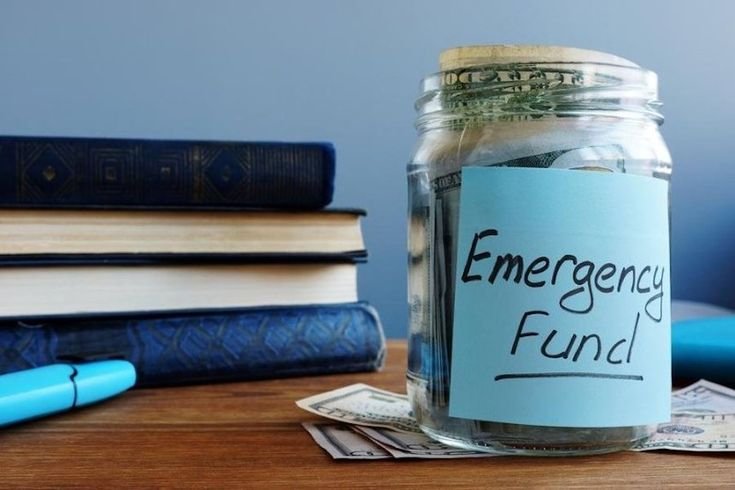
Let me be honest with you — the first time I faced a genuine financial emergency, I completely panicked.
It was a Thursday evening. My car broke down on the highway, my kid had an unexpected dental procedure lined up for the next morning, and my laptop (which I use for work) decided that was the perfect moment to give up on life. All in the same week.
I had savings — but not enough to cover all three without feeling sick about it. And I definitely didn’t want to throw everything on a high-interest credit card and spend the next six months paying it off.
So I started digging. I asked friends, I read forums, I called my bank. And slowly, I pieced together a few strategies that genuinely helped me get through that stretch without tanking my finances.
These aren’t magic tricks. They’re not “secret loopholes” that some guru is selling for $97. They’re just practical, real things that most people either don’t know about or don’t think to use when they’re stressed and scrambling.
Here are the 4 financing hacks that actually saved me — and can probably save you too.
1. Use a 0% APR Credit Card — But Only If You Have a Real Payoff Plan
I know, I know. Your first instinct when someone says “use a credit card for emergencies” is probably to cringe. Mine was too. But hear me out, because there’s a massive difference between slapping a charge on a random card and strategically using a 0% introductory APR offer.
A lot of credit cards — think Chase Freedom Flex, Wells Fargo Reflect, or Citi Diamond Preferred — offer 0% interest for 12 to 21 months on new purchases. That means if you charge $2,000 for an emergency medical bill or a car repair, and you pay it off within that window, you pay zero interest. None.
I used this exact approach when my dental emergency hit. I applied for a card with a 15-month 0% period, charged the procedure, and set up automatic monthly payments to clear it before the promotional period ended. Felt like I had borrowed money from myself — interest-free.
The catch? You have to be disciplined.
If you miss the payoff deadline, the deferred interest on some cards hits you all at once. So before you swipe, sit down and do the math:
- Total emergency cost ÷ months in the 0% period = your monthly payment
- Set up autopay for that amount immediately
- Don’t use the card for anything else during this time
It’s also worth checking apps like NerdWallet or Credit Karma to compare cards and see which offers you’re pre-qualified for — without a hard credit pull.
| Card | 0% APR Period | Best For |
|---|---|---|
| Wells Fargo Reflect | Up to 21 months | Large emergency expenses |
| Citi Diamond Preferred | 21 months | Balance transfers + purchases |
| Chase Freedom Flex | 15 months | Everyday emergencies + rewards |
| Discover it Cash Back | 15 months | Cash back on top of 0% offer |
2. Negotiate Directly — Especially with Hospitals and Medical Providers

This one shocked me the most when I first tried it.
After a family member’s unexpected hospital stay, we got a bill that made my stomach drop. But instead of just paying it (or panicking), I called the hospital’s billing department. I asked three simple questions:
- “Is there a cash-pay discount if I pay upfront?”
- “Do you offer financial assistance or a charity care program?”
- “Can we set up a payment plan with no interest?”
The result? We got 32% knocked off the bill just by asking about the cash-pay option. Then we split the remaining amount into a 12-month installment plan — with zero interest — directly through the hospital.
This works because hospitals, clinics, and even some specialty providers would rather get paid something than send your account to collections. They have entire billing teams whose job includes working out arrangements. You just have to call and ask.
If you’re dealing with medical costs specifically, this pairs really well with strategies from 9 Rules People Use to Make Treatment Affordable Without Cutting Corners — there are some clever angles in there I hadn’t thought of.
Tips for the negotiation call:
- Be calm and polite. Billing reps respond better to cooperative tone than frustration.
- Have your bill in front of you and note the account number.
- Ask specifically about “financial hardship programs” — many providers have them but don’t advertise.
- Get any agreement in writing before making a payment.
- If the first rep says no, call back. Different reps have different flexibility.
One thing I learned the hard way: never pay a big medical bill in full before asking about discounts. Once the money’s sent, that negotiation leverage is gone.
3. Tap Into Personal Loan Options Before Touching Retirement Funds
When things got really tight during my “week of disasters,” someone close to me suggested I pull from my 401(k). And honestly, for a split second, I considered it.
Please don’t do this unless it’s your absolute last resort.
Early withdrawal from a retirement account typically hits you with a 10% penalty plus income taxes on the amount withdrawn. That $5,000 you pull out can cost you $1,500–$2,000 right off the top — and you lose years of compound growth on what remains.
A personal loan from a credit union or online lender is almost always a better move for emergency expenses. Here’s why:
- Rates on personal loans from credit unions can be as low as 6–10% APR
- Fixed monthly payments make budgeting predictable
- No penalty, no tax hit, no damage to your long-term retirement
The key is shopping around quickly. Platforms like LendingClub, SoFi, Upstart, and your local credit union all let you check your rate with a soft credit pull — meaning no hit to your credit score just for looking.
If you’ve never taken out a personal loan before, 7 Simple Medical Loan Options You Should Know breaks down the different types really clearly and helps you understand what you’re signing up for before you commit.
Quick comparison: Personal Loan vs. 401(k) Withdrawal
| Factor | Personal Loan | 401(k) Early Withdrawal |
|---|---|---|
| Penalty | None | 10% early withdrawal penalty |
| Tax Impact | Interest is not tax-deductible | Full amount taxed as income |
| Credit Impact | Improves with on-time payments | None |
| Long-term cost | Interest paid to lender | Lost compound growth + penalty |
| Recommended? | Yes, in most emergencies | Only as absolute last resort |
One more thing: if you’re employed and your workplace offers a 401(k) loan (different from a withdrawal), that can be a middle-ground option. You borrow from yourself and repay yourself with interest — but you stay in the market. Just make sure you understand the repayment terms if you change jobs.
4. Build a “Mini Emergency Buffer” Using Automated Micro-Savings
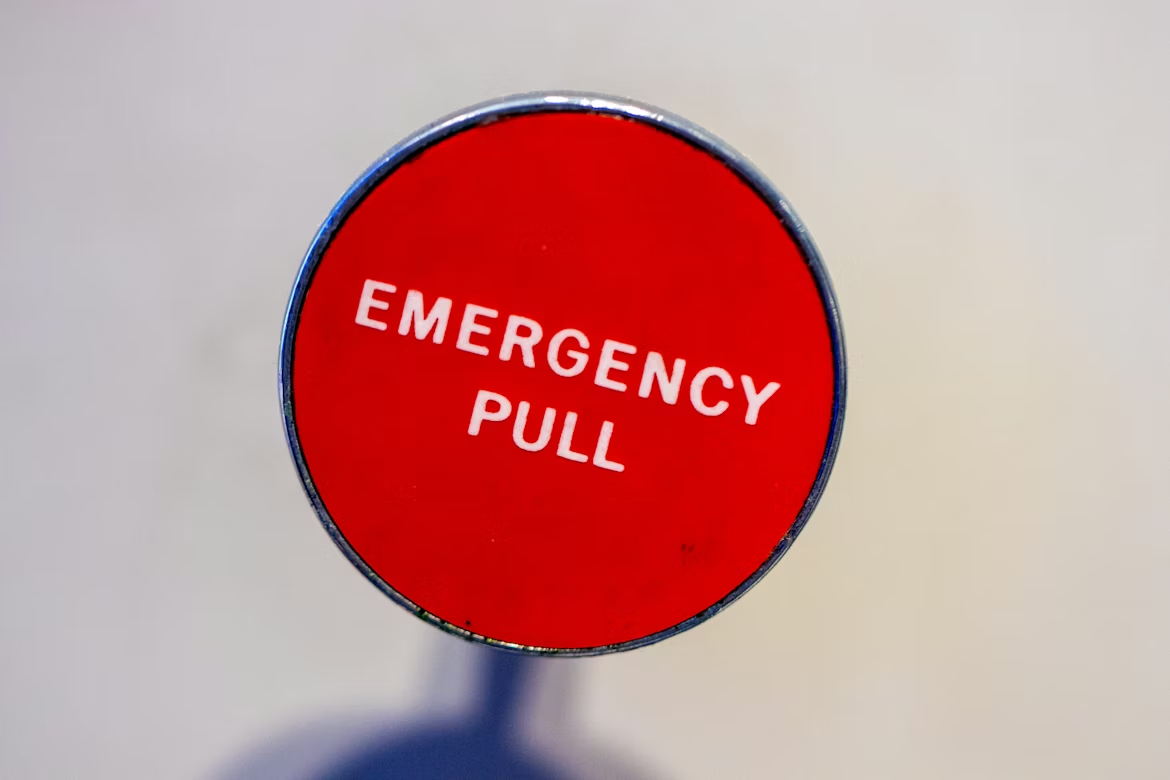
Okay, this one isn’t about surviving the emergency you’re already in. It’s about making sure the next one doesn’t hit you as hard. And I’m including it because, honestly, this is the hack that’s done the most for my long-term financial sanity.
After my chaotic week, I sat down and thought: What if I’d had even $1,000 just sitting there? It wouldn’t have covered everything, but it would have taken the sharpest edge off the panic.
So I set up what I call a “mini emergency buffer” — a separate savings account that I fund automatically with small, painless amounts. I use Ally Bank for this because it has a “buckets” feature that lets you label savings for specific purposes. But Marcus by Goldman Sachs, Capital One 360, and even Acorns or Qapital work great too.
The automation part is what makes it stick. I set up a $25 automatic transfer every Friday — small enough that I genuinely don’t miss it, but over a year that’s $1,300. Now I have two years of this running and my buffer sits comfortably in a place that’s accessible but not tempting.
How to set this up in about 10 minutes:
- Open a high-yield savings account (separate from your main bank — out of sight, out of mind)
- Set up an automatic weekly or bi-weekly transfer — even $15 or $20 is fine to start
- Label it “Emergency Only” or whatever keeps you honest
- Don’t get a debit card for it — make it slightly inconvenient to access
- Every time you get a windfall (tax refund, bonus, birthday money), throw 20–30% of it in there
This pairs beautifully with the smarter payment strategies covered in 10 Smart Ways to Use Payment Plans and Actually Take Advantage of Them — because when you combine a small buffer with smart payment plan choices, you’re approaching emergencies from two angles instead of one.
Common Mistakes People Make When Emergencies Hit
Since I’ve been through this and talked to a lot of people in similar situations, here are the mistakes I see most often — and that I personally made before I knew better:
Reaching for the highest credit card limit you have. Just because the limit is there doesn’t mean it’s the right move. High-interest cards can turn a $1,500 emergency into a $2,400 problem over 18 months of minimum payments.
Not asking about payment plans before taking out a loan. Many providers — especially in healthcare — offer 0% internal payment plans. You might not need a loan at all.
Waiting until you’re desperate to apply for financing. Stress makes you accept bad terms. Try to act quickly but not impulsively — spend 30 minutes comparing options before committing.
Treating every emergency as equally urgent. Some things need money today. Others can wait 3–5 days while you line up better financing. Know the difference.
Ignoring your credit union. If you’re a member of any credit union, check their emergency loan rates first. They’re almost always lower than banks or online lenders, and they’re often faster to approve.
The Real Talk Part
None of these hacks are glamorous. There’s no app that magically makes emergency expenses painless. But there is a real difference between someone who panics and throws everything on a 24% APR card, and someone who takes a breath, spends 20 minutes comparing options, and comes out the other side with a manageable plan.
That week of disasters I mentioned? I got through it. The car got fixed using a 0% APR card I paid off in 8 months. The dental procedure was negotiated down and paid through a direct payment plan. The laptop got replaced using a small personal loan from my credit union at 9% — which I cleared in four months.
Not perfect. But survivable. And I came out without any long-term financial damage.
The next time something blindsides you, hopefully one of these approaches gives you a cleaner path forward.
Also worth reading: If you’re dealing with medical costs specifically and want to understand all your financing options in one place, check out 12 Treatment Funding Options When You Need Help Now — it covers a wider range of situations and is genuinely useful if you’re in a pinch and need to move fast.