
I still remember sitting in my car outside the hospital, staring at a bill that was nearly three times what I expected. I had insurance. I thought I was covered. Turns out, I had no idea how to actually use my insurance — and that ignorance cost me.
After that experience, I spent months digging into how health insurance actually works — not the brochure version, but the real stuff. I talked to billing departments, read through explanation of benefits documents line by line, and learned from people who work inside the system. What I found genuinely surprised me.
Here’s what actually works.
1. Always Request an Itemized Bill — Every Single Time
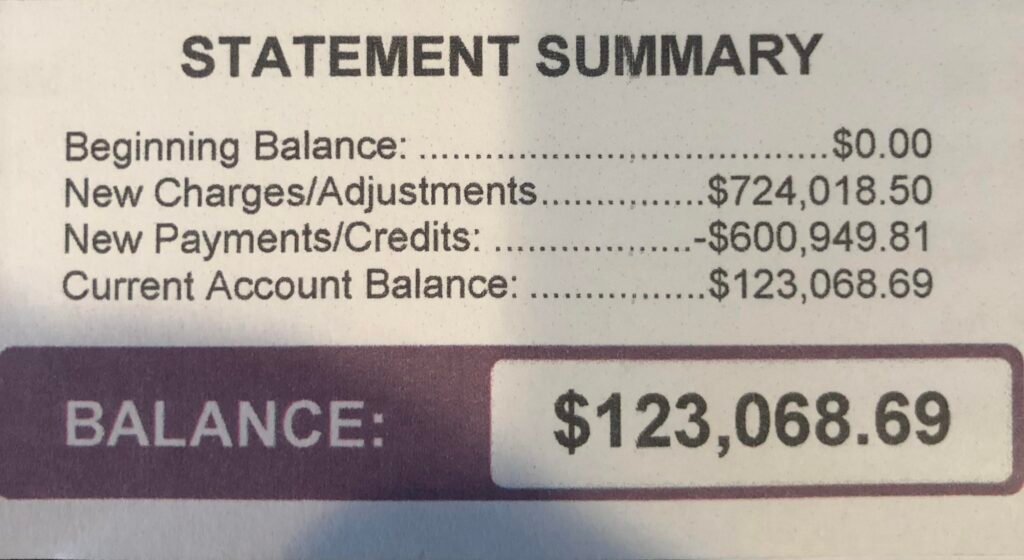
This was the first thing that changed everything for me. Most hospitals send you a summary bill — one number, maybe a few vague line items. That’s not the full picture.
When I requested an itemized bill for a routine procedure, I found three charges for supplies that were never used, a duplicate lab fee, and a “facility charge” nobody explained to me. Just disputing those knocked nearly $400 off the bill.
How to do it:
- Call the billing department and specifically ask for an “itemized statement”
- Cross-check every line item against what actually happened during your visit
- Look for duplicate charges, charges for items marked “not administered,” or generic codes like “medical supplies”
Billing errors are more common than you think — some estimates suggest they occur in a significant portion of hospital bills. Insurance companies rarely catch these on your behalf. You have to catch them yourself.
2. Understand the Difference Between “Allowed Amount” and “Billed Amount”
This one took me embarrassingly long to figure out.
When your provider bills your insurance, they might charge $1,200 for a procedure. But your insurance company has a negotiated rate — let’s say $600. That $600 is the “allowed amount.” Your cost-sharing (copay, deductible, coinsurance) is calculated on the $600, not the $1,200.
Why does this matter? Because if you’re uninsured or going out-of-network, you might be paying the full $1,200 — or close to it.
The hack: Even if a provider is technically out-of-network, you can call your insurance company and ask if they’ll apply an “in-network exception” — especially if no in-network provider is available in your area. For specialist care or emergency situations, this works more often than people realize.
Also, always ask your insurer to send you the Explanation of Benefits (EOB) after every visit. It shows exactly what was billed, what was allowed, and what you owe. Treat it like a receipt you actually check.
3. Use Your Preventive Care Benefits — They’re Usually Free

A lot of people with insurance are still paying out of pocket for stuff that’s already covered at $0. Under most plans (especially those compliant with the ACA), a wide range of preventive services are covered at 100% — no copay, no deductible.
We’re talking things like:
- Annual wellness exams
- Blood pressure and cholesterol screenings
- Certain vaccinations
- Cancer screenings (mammograms, colonoscopies)
- Mental health screenings
The catch? The billing code matters. If your doctor adds even one additional service or diagnosis during what you thought was a “free” preventive visit, it can suddenly become a “diagnostic visit” — and now you owe money.
Before any appointment, call your insurer and confirm: “If I come in for a preventive wellness visit and my doctor only bills it as preventive, will I owe anything?” Get the answer in writing (or at least note down the rep’s name and the date).
4. Negotiate Your Bills — Yes, You Actually Can
Most people don’t realize that medical bills are negotiable. I didn’t until a friend who works in hospital administration told me flat-out: “We’d rather collect 60% than send your account to collections.”
Here’s what I’ve personally done that worked:
Step 1: Wait for the final bill after insurance has processed everything.
Step 2: Call the billing department — not the front desk, the billing department — and say something like: “I want to pay this bill, but the amount is a financial hardship for me. Can we discuss a reduction or a payment arrangement?”
Step 3: Ask specifically about a “prompt pay discount.” Many hospitals offer 10–30% off if you pay a lump sum within a certain timeframe.
Step 4: If you’re low-income or even middle-income, ask about the hospital’s charity care or financial assistance program. Most nonprofit hospitals are legally required to have these programs, but they don’t exactly advertise them.
| Strategy | Potential Savings |
|---|---|
| Prompt pay discount | 10–30% |
| Financial hardship reduction | Up to 50%+ |
| Charity care program | Up to 100% |
| Billing error correction | Varies (often $100–$500+) |
| In-network exception request | 20–40% |
5. Stack Your HSA or FSA to Cover What Insurance Doesn’t
If your employer offers a Health Savings Account (HSA) or Flexible Spending Account (FSA), and you’re not maxing it out — you’re leaving tax-free money on the table.
Contributions to an HSA are tax-deductible, the money grows tax-free, and withdrawals for qualified medical expenses are also tax-free. That’s a triple tax advantage that most people either don’t use or use badly.
For an FSA, the classic mistake is not spending it before it expires. The “use it or lose it” rule has tripped up so many people I know. Some plans have a grace period or let you roll over a small amount, but you need to check your specific plan.
Practical tip: Keep a running list of your out-of-pocket medical expenses throughout the year — prescriptions, dental, vision, copays. Use your HSA/FSA card for all of these. Apps like Lively (for HSAs) or your insurer’s own portal can help you track everything.
You can even use HSA funds for certain over-the-counter medications, menstrual products, and more — the list expanded significantly in recent years.
If you’re managing medical costs for international or cross-border care, it’s also worth reading up on 7 Genius Financing Hacks to Save $10K Most Will Never Take Advantage Of — some of those strategies complement HSA planning well.
6. Appeal Denied Claims — Most People Never Do This
Here’s a stat that genuinely floored me: the majority of denied insurance claims are never appealed. And of those that are appealed, a significant portion get overturned.
That means people are just… accepting the denial and paying out of pocket. For something that might have been covered.
I had a claim denied once for a specialist visit — they said it wasn’t “medically necessary.” I filed an appeal, included a letter from my doctor explaining why the visit was necessary, and attached my test results. It was overturned within three weeks.
How to file an appeal:
- Get the denial letter — it must state the specific reason for denial
- Call your insurer and ask for the appeals process (internal appeal first)
- Write a clear appeal letter referencing the denial reason point-by-point
- Ask your doctor to write a supporting letter (a “letter of medical necessity”)
- Submit everything with a deadline tracker — appeals have time limits
If the internal appeal fails, you can escalate to an external review — an independent third party that your insurer has to abide by. This is a right under federal law for most health plans.
7. Check If You Qualify for Government or State Assistance Programs
This isn’t just for low-income families. After a job loss, a divorce, a pay cut, or a major medical event, a lot of middle-class households suddenly qualify for programs they never thought applied to them.
Medicaid: Eligibility has expanded in most states. If your income dropped, you might qualify even temporarily.
CHIP: For families with kids who don’t qualify for Medicaid but still can’t afford private insurance.
Medicare Savings Programs: If you’re on Medicare and struggling with premiums or copays, there are programs specifically designed to help cover those.
State-based programs: Many states have their own pharmaceutical assistance programs, especially for seniors and people with chronic conditions.
The website Benefits.gov is actually useful here — you can search by state and life situation. It’s not fancy, but it’s comprehensive.
Also, if you’re dealing with the financial side of medical travel or international treatment, understanding your options is crucial. Resources like 9 Rules People Use to Make Treatment Affordable Without Cutting Corners can help you think through the full picture.
8. Time Your Procedures Strategically Around Your Deductible
This is one of the lesser-known hacks, but once you hear it, it sticks.
Your deductible resets every year (usually January 1st). That means if you have a procedure in November after you’ve already met your deductible, you pay very little. But if you schedule the same procedure in January, you’re starting from zero — potentially paying thousands more.
Conversely, if you haven’t met your deductible and you have upcoming procedures, it might make sense to batch them together in the same year so you only pay the deductible once.
Real example: I had two separate procedures one year — one in December, one the following February. Because I didn’t think about the deductible reset, I paid my full deductible twice. A one-month difference would have saved me over $1,500.
How to strategize:
- Check your deductible status in your insurer’s app or member portal (most insurers have these now — Aetna, BCBS, UnitedHealth all have solid apps)
- Ask your doctor if non-urgent procedures can be scheduled with timing in mind
- Consider whether elective procedures are better bundled in a high-deductible year
A Few Mistakes I’ve Seen People Make (Including Myself)
Knowing the hacks is one thing — avoiding the traps is another.
Assuming in-network = cheap. In-network just means your insurer has a deal with that provider. You can still owe a lot if your deductible is high.
Not reading the EOB. I’ve met people who’ve never opened a single Explanation of Benefits in their life. That document is your paper trail and your first line of defense against billing errors.
Ignoring the out-of-pocket maximum. Once you hit this number, your insurance covers 100% for the rest of the year. If you’re close to it, it might actually make financial sense to move up non-urgent appointments.
Forgetting about coordination of benefits. If you’re covered by two insurance plans (say, yours and a spouse’s), your insurers need to coordinate. Done right, your second plan can cover what the first didn’t. Done wrong — or not done at all — you leave money unclaimed.
For those navigating more complex financial decisions around healthcare, especially loans or payment plans, The 9 Most Important Loan Mistakes Made by Borrowers is worth a careful read before you sign anything.
The Bottom Line
Medical bills don’t have to be the financial ambush they often feel like. The system is confusing by design — but it’s not unbeatable. Most of these hacks don’t require special knowledge or connections. They just require you to ask the right questions, read the right documents, and be willing to push back.
Start with the itemized bill. Then check your EOB. Then — if you have a claim that was denied — file that appeal. One of those three steps alone could save you hundreds. All three together? Potentially thousands.
You’ve already paid for your insurance. Make it actually work for you.
Want to dive deeper into managing the financial side of healthcare? Check out 12 Treatment Funding Options When You Need Help Now — a practical breakdown of what’s available when the bills pile up and you need real solutions fast.