
Let me tell you about the time I got hit with a $340 “facility fee” that nobody warned me about.
I had a routine check-up scheduled at what I thought was my doctor’s in-network clinic. Everything seemed fine — I’d called the insurance line, confirmed my doctor was covered, and showed up feeling pretty good about being a responsible adult. Then the bill arrived three weeks later with this mystery charge buried at the bottom.
Turns out, the clinic had recently been absorbed by a hospital system. Same building, same doctor, same parking lot — but now technically a “hospital outpatient facility.” My insurance covered the doctor visit but not the facility fee. Nobody told me. Nobody asked if that was okay.
That one experience sent me down a rabbit hole of reading policy documents at 11pm, calling insurance reps, and learning things I genuinely wish someone had told me five years earlier. So here’s what I’ve figured out — four hacks that have actually saved me money and a whole lot of frustration.
1. Always Ask for an Itemized Bill (Then Actually Read It)
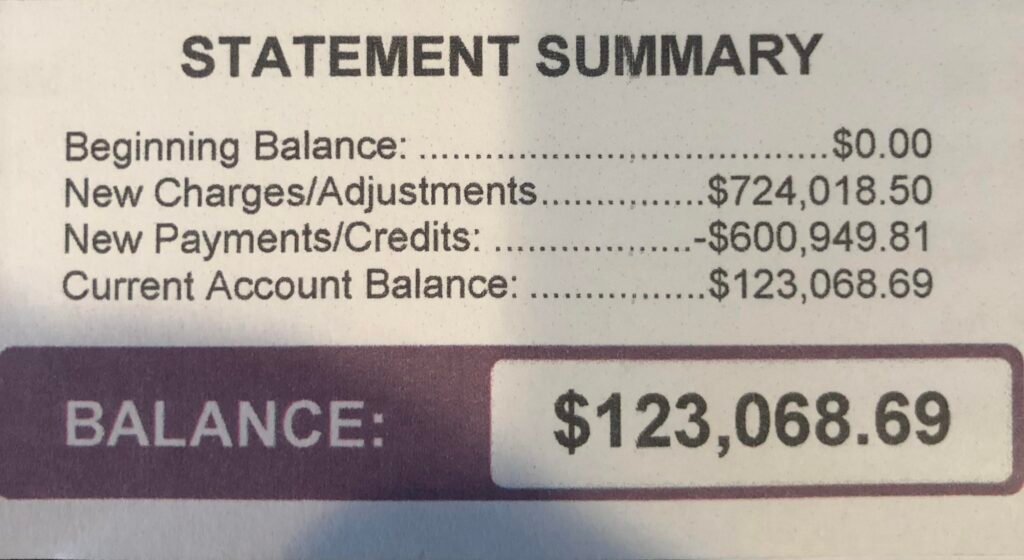
This sounds obvious, but almost nobody does it. When you get a medical bill — whether from a domestic provider or after treatment abroad — it usually arrives as a summary. One or two line items. A total. And a payment link.
That summary is not the real bill.
The itemized bill is the full breakdown — every single charge, every supply used, every minute of time billed. And I promise you, if you’ve had any procedure more complex than a blood pressure check, there are errors in there.
I once found a charge for a “private room” when I’d been in a shared bay for a same-day procedure. Another time, a friend was billed twice for the same IV medication — once as a “supply” and once as a “treatment.” Neither of those would have shown up on the summary bill.
How to actually do this:
- Call the billing department (not the front desk) and specifically request an itemized statement
- Ask for it in writing, either mailed or emailed
- Cross-check every line against your insurance Explanation of Benefits (EOB)
- Flag anything that doesn’t match what actually happened during your visit
Your EOB is sent separately by your insurer — it shows what they were billed, what they paid, and what they think you owe. When the EOB and the itemized bill don’t match, that’s where hidden charges live.
Common things to look out for:
| Suspicious Charge | What It Might Mean |
|---|---|
| “Observation fee” | Charged when not formally admitted |
| “Facility fee” | Hospital-affiliated clinic charge |
| Duplicate line items | Billing error or double-charge |
| “Upcoding” | Procedure billed at higher complexity than performed |
| Supply charges | Items you never saw or consented to |
If you find something questionable, don’t just accept it. Dispute it in writing. Insurers and hospitals do reverse incorrect charges — it happens more often than they’d like to admit.
2. Understand the Difference Between “Accepts” and “In-Network”
This one catches people out constantly, and honestly, the language around it is deliberately confusing.
When a provider says they “accept” your insurance, it means they’ll process a claim through your insurance. It does not mean they’re in-network. Out-of-network providers can still bill your insurer — but you’ll be responsible for a much larger chunk of the cost, sometimes the entire balance.
The worst version of this is called surprise billing — you go to an in-network hospital, have surgery, and then weeks later get a bill from the anesthesiologist who happens to be out-of-network. You had no idea. You had no say. But the charge is real.
Here’s what I do now before any non-emergency procedure:
Step 1: Use your insurer’s online provider directory to confirm in-network status. Don’t just Google the doctor and call their office.
Step 2: Call the provider’s billing department directly and ask: “Are you contracted with [my insurer] at [specific plan name]?” The plan name matters — some doctors are in-network for a Blue Cross PPO but not the Blue Cross HMO.
Step 3: For surgeries or procedures, ask which other providers will be involved. That means the anesthesiologist, surgical assistant, pathologist (if samples are taken), and any specialists who might be called in.
Step 4: Get written confirmation — an email works. If they later bill you as out-of-network, that documentation is your leverage.
This process takes about 20 minutes of phone calls. It’s saved me hundreds. One time it revealed that the surgeon I’d been referred to was actually out-of-network, and my GP was able to refer me to someone equivalent who was covered. Nobody would have flagged that automatically.
3. Use Your Insurer’s Pre-Authorization Process Strategically
Pre-authorization (or prior auth) gets a bad reputation because it feels like a bureaucratic hurdle. But honestly? If you flip the script, it becomes one of the best tools you have against hidden charges.
Here’s the thing most people don’t know: if your insurer pre-authorizes a procedure, they are on record confirming coverage. That authorization is documented. If they later try to reduce or deny payment, you have grounds to appeal — and appeal successfully.
So instead of dreading the pre-auth process, lean into it. Request it even for things that don’t strictly require it. And when you do, ask very specific questions.
I learned this the hard way after a minor knee procedure. My insurer pre-authorized the surgery but not the post-op physical therapy that everyone agreed was necessary. By the time I started PT, I’d already completed two sessions before realizing they weren’t covered. Getting retroactive approval for something is about ten times harder than getting it upfront.
What to ask during the pre-authorization call:
- What is covered under this authorization code?
- Are follow-up visits or rehabilitation included?
- What’s the authorization reference number?
- How long is this authorization valid?
- What documentation do you need from my provider?
Write all of this down. Ask for a confirmation email or letter. Keep the reference number somewhere safe.
Also worth knowing: if your insurer denies pre-authorization, you can appeal. Most plans have an internal appeals process, and after that you may have the right to an external independent review. Denials get reversed more often than insurers want people to know — especially when you have a supporting letter from your doctor explaining medical necessity.
For anyone dealing with international treatment options, this pre-auth strategy is even more critical. Check out these 9 important questions to ask before getting surgery overseas — the pre-authorization angle is just one piece of a bigger puzzle when you’re navigating cross-border care.
4. Track Your Deductible and Out-of-Pocket Maximum in Real Time
This might be the most underused hack on the list, and it requires the least effort once you set it up.
Most people have a vague idea of their deductible — the amount they pay before insurance kicks in. Fewer people actively track where they are against it throughout the year. And almost nobody thinks strategically about their out-of-pocket maximum (the point beyond which your insurance covers 100% of costs).
Here’s where this gets interesting.
If you’re close to hitting your out-of-pocket maximum — say, you’ve had a rough year health-wise and you’re $800 away from that cap — it can actually make sense to schedule elective procedures before December 31st. Because once you hit the max, everything is covered. Schedule the same thing in January and you’re starting from zero again.
Conversely, if you’re healthy in the first half of the year and your deductible resets in January, it might make sense to delay non-urgent care until you’ve confirmed coverage status and pricing.
How to track this practically:
Most major insurers have apps now — Cigna, Aetna, UnitedHealthcare, and others all have reasonably decent mobile dashboards. Log in, find the “Benefits” or “Deductible” section, and you’ll usually see a running total of what you’ve spent against your deductible and out-of-pocket max.
If your insurer’s app is terrible (some of them really are), you can build a simple tracking spreadsheet. Log every EOB when it arrives, note what was applied to deductible, and run a cumulative total.
Here’s a basic example of how that looks:
| Month | Procedure | Billed | Applied to Deductible | Running Total |
|---|---|---|---|---|
| February | Blood work | $220 | $220 | $220 |
| April | Specialist visit | $350 | $350 | $570 |
| July | Imaging | $600 | $430 | $1,000 (deductible met) |
| September | Minor procedure | $1,200 | $0 | Cost-sharing begins |
Once your deductible is met, your cost-sharing kicks in (usually a copay or coinsurance percentage). Once your out-of-pocket max is hit, you pay nothing. Knowing exactly where you are on that curve changes how you make decisions.
A few more things worth knowing about this strategy:
- Prescription costs often count separately from medical costs — check your plan
- In-network and out-of-network deductibles are usually separate buckets
- Family deductibles work differently than individual — understand which applies to you
- FSA (Flexible Spending Account) funds expire, so track those too
The Mistake That Ties All of This Together
The biggest mistake I see people make with insurance isn’t choosing the wrong plan or missing a deadline. It’s treating insurance as something that happens to them rather than something they actively manage.
Insurance companies count on passive policyholders. The billing departments count on people paying whatever number arrives in the mail. The whole system is designed with friction — confusing paperwork, hold music, jargon-heavy documents — specifically because most people give up.
The four hacks above all require one thing in common: you have to be the person who asks the question, makes the call, reads the document. Not because you’re paranoid, but because that’s where the hidden charges live — in the spaces between what they tell you and what’s actually in writing.
None of this is complicated. It just takes a little habit-building.
If you want to go deeper on protecting yourself financially across different types of healthcare situations, this breakdown of 12 best-kept global insurance secrets from insurers covers a lot of ground that most policyholders never hear about.
Quick Reference: The 4 Hacks at a Glance
| Hack | What It Protects Against | Time Investment |
|---|---|---|
| Request itemized bill | Duplicate charges, billing errors | 30 min per visit |
| Verify in-network status | Surprise out-of-network bills | 20 min before appointments |
| Use pre-auth strategically | Unexpected coverage denials | 1-2 calls before procedures |
| Track deductible in real time | Poor timing of care, missed savings | 10 min monthly |
Common Mistakes to Avoid
Assuming no news is good news. If you haven’t received a bill or EOB, it doesn’t mean you’re not being billed. Chase the paperwork.
Paying before disputing. Once you’ve paid a charge, disputing it becomes significantly harder. Review the EOB first, always.
Letting pre-authorization expire. These have validity windows. If your procedure gets delayed, check that your authorization is still current.
Not appealing denials. First-level denials are often reversed on appeal, especially with supporting medical documentation. Don’t treat a denial as final.
Ignoring the year-end timing. Your deductible and out-of-pocket max reset on January 1st. Your decisions in November and December should reflect where you stand.
The $340 facility fee I mentioned at the start? I disputed it. It took two calls and about 45 minutes total. They reversed $210 of it, citing a billing classification issue. Not a full win, but not nothing either.
These systems are navigable once you know what to look for. Start with one of the four hacks above — whichever one fits your next upcoming appointment — and build from there.