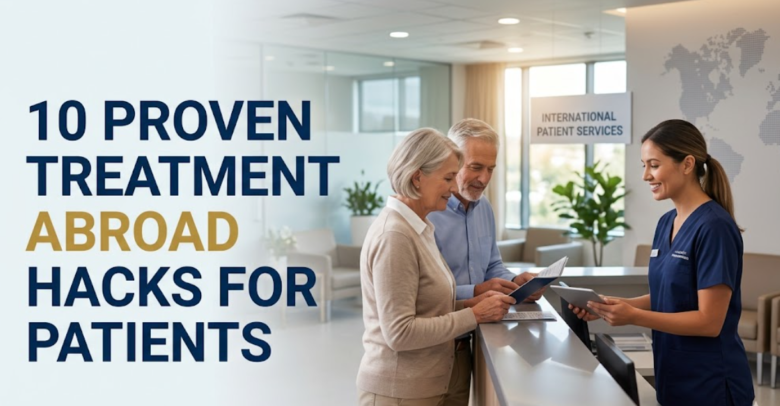
Seeking medical treatment abroad has become a practical option for many patients worldwide. Rising healthcare costs, long waiting times, and limited access to specialized care often push individuals to explore options beyond their home country. What once felt risky or unfamiliar is now a structured, increasingly common pathway known as medical travel.
However, traveling abroad for treatment is not just about booking a flight and choosing a hospital. It involves careful planning, financial awareness, and informed decision-making. The difference between a smooth, successful experience and a stressful one often comes down to preparation.
This guide outlines ten proven hacks that help patients navigate treatment abroad efficiently, safely, and cost-effectively.
understanding why patients seek treatment abroad
Before diving into the strategies, it helps to understand the motivations behind medical travel.
| reason | explanation | impact |
|---|---|---|
| cost savings | procedures abroad can be 30%–80% cheaper | major financial relief |
| access to specialists | some treatments unavailable locally | better outcomes |
| shorter waiting times | immediate scheduling | faster recovery |
| advanced technology | access to modern equipment | improved precision |
These factors make treatment abroad attractive, but they also introduce complexity that needs to be managed wisely.
hack 1: research hospitals beyond marketing claims

Many hospitals catering to international patients invest heavily in marketing. Glossy websites and testimonials can be persuasive, but they don’t always reflect reality.
The smarter approach is layered research:
| research method | what to check |
|---|---|
| independent reviews | patient experiences outside official sites |
| accreditation | international standards compliance |
| doctor credentials | training, specialization, track record |
| outcome statistics | success and complication rates |
Look for consistency across multiple sources. If a hospital claims excellence, independent data should support it.
hack 2: choose the destination based on treatment, not tourism
A common mistake is selecting a country based on travel appeal rather than medical strength. While combining treatment with travel can be appealing, healthcare quality must come first.
example comparison:
| country factor | tourism-focused choice | treatment-focused choice |
|---|---|---|
| hospital specialization | unclear | highly specialized |
| language support | moderate | strong |
| post-op care | limited | comprehensive |
| overall outcome | uncertain | reliable |
The hack is simple: prioritize expertise, not scenery.
hack 3: calculate the full cost, not just procedure fees

Many patients underestimate total expenses by focusing only on the treatment cost. Hidden expenses can quickly add up.
complete cost breakdown:
| expense category | estimated range |
|---|---|
| medical procedure | core cost |
| travel (flights) | variable |
| accommodation | daily cost |
| local transport | moderate |
| post-op medication | often overlooked |
| follow-up visits | essential |
A realistic budget prevents financial surprises and reduces stress during recovery.
hack 4: use medical facilitators wisely
Medical travel facilitators act as intermediaries between patients and hospitals. They can simplify logistics but should be chosen carefully.
benefits vs risks:
| aspect | benefit | risk |
|---|---|---|
| coordination | easier scheduling | limited provider options |
| cost negotiation | potential discounts | hidden fees |
| communication | language support | biased recommendations |
The hack is not to avoid facilitators, but to verify their transparency and independence.
hack 5: plan for recovery time before returning home
Many patients underestimate recovery duration and book return flights too early. This can lead to complications during travel.
typical recovery planning:
| procedure type | minimum stay abroad |
|---|---|
| minor procedures | 3–5 days |
| moderate surgery | 7–14 days |
| major surgery | 2–4 weeks |
Always consult the treating doctor before scheduling your return. Rushing recovery can undo successful treatment.
hack 6: secure proper medical documentation
Documentation is often overlooked but critically important. It ensures continuity of care once you return home.
essential documents:
| document type | purpose |
|---|---|
| medical reports | treatment summary |
| prescriptions | medication continuation |
| imaging results | future diagnosis reference |
| discharge summary | follow-up guidance |
Keep both digital and physical copies. This avoids confusion with local doctors later.
hack 7: understand legal and insurance implications
Healthcare laws vary significantly across countries. Patients must understand their rights and limitations.
key considerations:
| factor | importance |
|---|---|
| malpractice laws | legal protection differences |
| insurance coverage | may not apply internationally |
| liability policies | hospital accountability |
| emergency support | access to assistance |
Clarifying these aspects beforehand prevents complications in case of unexpected outcomes.
hack 8: communicate clearly despite language barriers
Language differences can lead to misunderstandings, especially regarding medical instructions.
communication strategies:
| method | effectiveness |
|---|---|
| professional interpreters | high accuracy |
| translation apps | quick but limited |
| written instructions | reduces confusion |
| visual aids | helpful for procedures |
Never rely solely on assumptions. Confirm understanding at every step.
hack 9: combine treatment with a support system
Traveling alone for medical care can increase stress. Having a companion improves both emotional and physical recovery.
support benefits:
| support type | impact |
|---|---|
| emotional support | reduces anxiety |
| physical assistance | helps mobility post-surgery |
| decision-making | better clarity under stress |
Even a short visit from a family member can make a significant difference.
hack 10: plan post-treatment care in your home country
Treatment doesn’t end when you leave the hospital abroad. Follow-up care is crucial for long-term success.
post-treatment plan:
| step | action |
|---|---|
| identify local doctor | continuity of care |
| share medical records | accurate follow-up |
| schedule check-ups | monitor recovery |
| manage medications | avoid complications |
This ensures that the benefits of treatment abroad are sustained over time.
visual comparison: local vs treatment abroad
| factor | local treatment | abroad treatment |
|---|---|---|
| cost | high | lower (often) |
| waiting time | long | short |
| access to specialists | limited | broader |
| travel requirement | none | required |
| complexity | low | higher |
This comparison highlights both advantages and trade-offs.
financial planning chart
| budget category | percentage of total cost |
|---|---|
| procedure | 50%–70% |
| travel | 10%–20% |
| accommodation | 10%–15% |
| miscellaneous | 5%–10% |
Understanding this distribution helps patients allocate funds more effectively.
common mistakes patients make
| mistake | consequence |
|---|---|
| choosing cheapest option only | compromised quality |
| ignoring follow-up care | poor recovery outcomes |
| underestimating travel fatigue | delayed healing |
| lack of research | unexpected complications |
Avoiding these mistakes can dramatically improve the overall experience.
real-life inspired scenario
Consider a patient seeking orthopedic surgery abroad.
Without planning:
- chooses hospital based on advertisement
- underestimates total cost
- returns home too early
- struggles with follow-up care
With proper strategy:
- researches accredited hospital
- budgets for full journey
- stays for adequate recovery
- coordinates with local doctor
Outcome: smoother recovery, fewer complications, and lower stress.
emotional and psychological aspects
Traveling for treatment can feel overwhelming. Unfamiliar environments, cultural differences, and health concerns combine to create anxiety.
Practical ways to manage this:
- prepare mentally before travel
- maintain communication with family
- keep expectations realistic
- focus on recovery milestones
A calm mindset supports physical healing.
building your personal treatment abroad plan
step 1: define medical need clearly
step 2: shortlist countries and hospitals
step 3: calculate full budget
step 4: arrange travel and accommodation
step 5: prepare documentation
step 6: plan recovery and follow-up
This structured approach reduces uncertainty and increases confidence.
faqs
- is treatment abroad safe?
Yes, if you choose accredited hospitals and qualified doctors. Proper research is essential.
- how much can i save by going abroad?
Savings can range from 30% to 80%, depending on the procedure and destination.
- will my insurance cover treatment abroad?
Some policies do, but many don’t. Always check with your provider beforehand.
- how do i handle follow-up care after returning home?
Share all medical records with a local doctor and schedule regular check-ups.
- what is the biggest risk of medical travel?
The main risks include lack of proper research, poor communication, and inadequate follow-up care.
- should i travel alone for treatment?
It’s better to have a companion for support, especially for major procedures.
final thoughts
Seeking treatment abroad is no longer an unusual decision. For many, it is a practical solution to complex healthcare challenges. But like any major decision, success depends on preparation.
The hacks outlined here are not shortcuts—they are safeguards. They help patients move from uncertainty to clarity, from stress to control. When approached thoughtfully, treatment abroad can offer not just medical relief, but financial and emotional peace of mind as well.