There’s a moment many people reach when local healthcare costs feel overwhelming. It might be after receiving a quote for surgery, a dental procedure, or long-term treatment. That moment forces a difficult question: is there a better way to access quality care without draining your savings?
For me, that question led to something I had never seriously considered before—seeking treatment abroad.
At first, it sounded risky. Traveling to another country for medical care raised concerns about safety, quality, and logistics. But after careful research and a few real experiences, I realized something important: with the right approach, medical travel can significantly reduce costs without compromising outcomes.
This isn’t about blindly choosing the cheapest option. It’s about being strategic, informed, and realistic. The following six hacks are based on lessons learned from navigating treatment abroad, and they can help you cut costs while maintaining confidence in your decisions.
hack 1: choosing the right country, not just the cheapest one
The biggest mistake I almost made was focusing only on the lowest price. It’s tempting, especially when you see huge cost differences between countries. But the cheapest option isn’t always the smartest.
Instead, I learned to evaluate countries based on a balance of three factors:
- Treatment cost
- Quality of care
- Travel and accommodation expenses
country comparison example
| Country | Procedure Cost | Travel Cost | Total Estimated Cost |
|---|---|---|---|
| Country A | $2,000 | $1,200 | $3,200 |
| Country B | $3,000 | $400 | $3,400 |
| Country C | $2,500 | $600 | $3,100 |
visual comparison
Country A: ████████████
Country B: █████████████
Country C: ███████████
Even though Country A had the lowest treatment cost, travel expenses pushed the total higher than expected. Country C turned out to be the most balanced choice.
other factors I considered
| Factor | Why It Matters |
|---|---|
| Language | Easier communication |
| Accreditation | Assurance of standards |
| Recovery environment | Comfort during healing |
Choosing the right country isn’t about saving the most upfront—it’s about minimizing total cost while ensuring safety.
hack 2: bundling treatment with travel packages
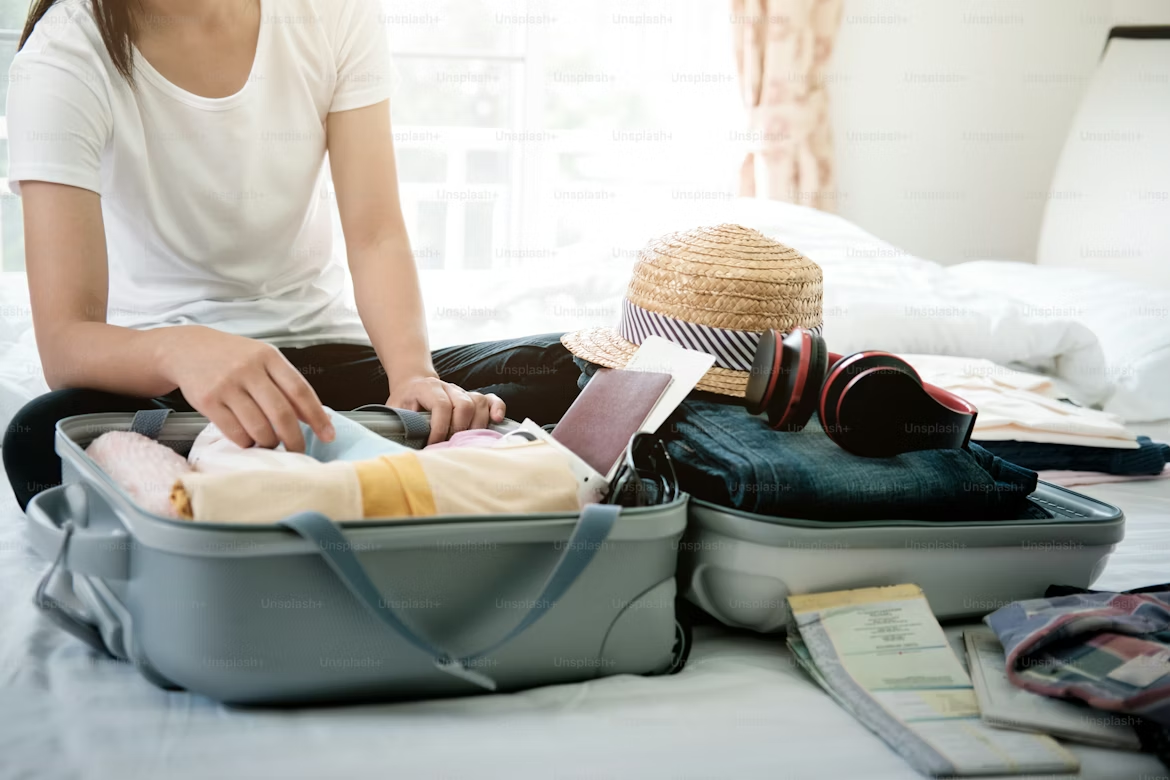
At first, I booked everything separately—flights, accommodation, hospital appointments. It worked, but it wasn’t efficient.
Later, I discovered that many clinics and facilitators offer bundled packages that include:
- Treatment
- Airport transfers
- Hotel stays
- Follow-up visits
package vs separate booking comparison
| Expense Type | Separate Booking | Package Deal |
|---|---|---|
| Treatment | $2,500 | Included |
| Hotel | $800 | Included |
| Transfers | $200 | Included |
| Total | $3,500 | $3,000 |
savings chart
Separate: ███████████████
Package: ████████████
These packages often come with negotiated rates, which reduce overall costs. However, I learned to review them carefully.
what to check before booking
- Are all services clearly listed?
- Is the hospital reputable?
- Are there hidden fees?
Bundling works best when transparency is high.
hack 3: timing your treatment strategically

Timing can have a surprising impact on cost. I didn’t realize this until I compared prices across different seasons.
Travel costs fluctuate significantly depending on demand. Medical services may also offer discounts during slower periods.
seasonal cost comparison
| Season | Flight Cost | Accommodation | Total Impact |
|---|---|---|---|
| Peak season | High | High | Expensive |
| Off-season | Low | Low | Affordable |
| Shoulder | Medium | Medium | Balanced |
visual comparison
Peak: █████████████████
Off-season: █████████
Shoulder: ███████████
By scheduling my treatment during an off-peak period, I reduced overall expenses without affecting the quality of care.
timing considerations
- Weather conditions (important for recovery)
- Hospital availability
- Personal schedule flexibility
Timing isn’t just about saving money—it also affects comfort and convenience.
hack 4: comparing multiple clinics before deciding
One of the most valuable habits I developed was comparing clinics. Prices and services can vary widely—even within the same city.
clinic comparison example
| Clinic | Cost | Inclusions |
|---|---|---|
| Clinic A | $2,800 | Basic procedure |
| Clinic B | $3,200 | Procedure + aftercare |
| Clinic C | $2,600 | Procedure + limited support |
value comparison chart
Clinic A: ███████████
Clinic B: █████████████
Clinic C: █████████
The cheapest option (Clinic C) wasn’t the best once I considered aftercare. Clinic B, though slightly more expensive, offered better overall value.
questions I asked clinics
- What does the price include?
- What happens if complications arise?
- Is follow-up care included?
Comparing options helped me avoid hidden costs and make a more informed decision.
hack 5: planning recovery to avoid extra expenses
Recovery is often overlooked when budgeting for treatment abroad. I made this mistake once—underestimating how long I needed to stay.
The result?
- Extended hotel costs
- Additional transport expenses
- Stress during recovery
So I started planning recovery as carefully as the treatment itself.
recovery cost planning
| Item | Estimated Cost |
|---|---|
| Accommodation | $50–$150/day |
| Food | $20–$40/day |
| Transport | $10–$30/day |
stay duration impact
| Days Stayed | Total Cost |
|---|---|
| 5 days | $500 |
| 10 days | $1,000 |
| 15 days | $1,500 |
visual chart
5 days: ███
10 days: ██████
15 days: █████████
planning tips
- Ask doctors for realistic recovery time
- Choose accommodation near the clinic
- Avoid unnecessary extensions
A well-planned recovery reduces both costs and stress.
hack 6: using local resources instead of tourist services
Tourist-oriented services are convenient—but often expensive. I noticed this quickly when comparing prices.
Switching to local options made a big difference.
cost comparison
| Service Type | Tourist Price | Local Price |
|---|---|---|
| Transport | $20/ride | $5/ride |
| Meals | $15 | $5 |
| Accommodation | $120/night | $60/night |
savings chart
Tourist: █████████████
Local: ███████
This doesn’t mean compromising comfort—it means being selective.
how I adapted
- Used local ride apps instead of taxis
- Ate at local restaurants
- Booked mid-range accommodations instead of premium hotels
These small changes added up quickly.
combined savings overview
When I combined all six hacks, the total savings were substantial.
annualized savings estimate
| Strategy | Estimated Savings |
|---|---|
| Country selection | $500 |
| Bundled packages | $500 |
| Timing optimization | $400 |
| Clinic comparison | $600 |
| Recovery planning | $300 |
| Local resource usage | $400 |
| Total | $2,700 |
distribution chart
Country choice: ███
Packages: ███
Timing: ██
Clinic comparison: ████
Recovery planning: ██
Local usage: ███
These aren’t just numbers—they represent real reductions in financial pressure.
real-world comparison scenario
| Category | Unplanned Approach | Strategic Approach |
|---|---|---|
| Total cost | High | Lower |
| Stress level | High | Moderate |
| Outcome quality | Uncertain | More predictable |
| Financial impact | Heavy | Manageable |
visual outcome
Unplanned: ███████████████
Strategic: ████████
Planning doesn’t eliminate risk—but it reduces uncertainty.
final reflections
Seeking treatment abroad isn’t a shortcut—it’s a strategy. When done carefully, it offers a way to access quality care at a more manageable cost.
What made the biggest difference for me wasn’t finding the cheapest option. It was understanding the full picture—costs, logistics, recovery, and risks—and making decisions accordingly.
Each of these six hacks plays a role:
- Choosing wisely avoids hidden expenses
- Bundling simplifies logistics
- Timing reduces travel costs
- Comparing clinics improves value
- Planning recovery prevents surprises
- Using local resources cuts daily expenses
Together, they turn a complex process into something far more manageable.
frequently asked questions
- is treatment abroad safe?
It can be, provided you research clinics, verify credentials, and choose reputable providers. - how much can I realistically save?
Savings vary, but many people reduce costs by 30–70% depending on the treatment and location. - do I need insurance for treatment abroad?
It’s highly recommended to have travel or medical insurance that covers complications and emergencies. - how do I verify a clinic’s quality?
Look for international accreditation, patient reviews, and detailed treatment plans. - what are the biggest risks?
Language barriers, follow-up care issues, and unexpected complications. - how long should I stay after treatment?
It depends on the procedure. Always follow your doctor’s recommendation to avoid complications.
—
In the end, cutting costs doesn’t mean cutting corners. With the right approach, you can balance affordability and quality—and make decisions that support both your health and your finances.