10 Ways to Afford Surgery Abroad for Cheap

10 Ways to Afford Surgery Abroad for Cheap

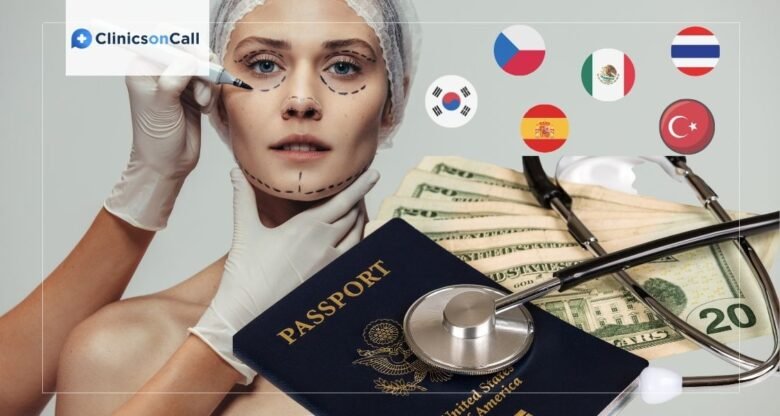
Every year, millions of people get on a plane not for vacation — but for surgery. They’re going to Thailand, Turkey, Mexico, India and dozens of other countries where world-class medical care costs a tiny fraction of what it does at home.

It’s called medical tourism, and it is one of the fastest-growing trends in global health care. People are saving 50 percent to 90 percent on procedures like knee replacements, dental implants, cosmetic surgery and heart bypass operations.

But here’s the thing: cheap surgery abroad isn’t simply about taking the cheapest flight and showing up at any old hospital. It requires planning, research and strategic thinking.

This guide breaks down 10 proven, practical strategies for getting surgery abroad, for less — with no risk to your health.


Why Do People Travel For Surgery In The First Place?

Before we get into the tips, though, let’s discuss why this trend is booming.

A hip replacement in the United States can cost $40,000 or more. In India, that same surgery — done by similarly qualified surgeons — can run $7,000. A $4,000-per-tooth dental implant in the U.S. might sell for less than $900 in Mexico.

The cost difference is staggering. And it’s not that the care is worse. That’s due to lower costs for labor, government subsidies for health care, currency exchange rates and less administrative overhead.

A quick glance at average cost comparisons:

ProcedureUSA PriceIndia PriceMexico PriceThailand Price
Hip Replacement$40,000$7,000$13,000$12,000
Dental Implant (per tooth)$4,000$900$900$1,200
LASIK Eye Surgery$4,200$800$1,500$1,300
Heart Bypass$130,000$7,500$27,000$15,000
Rhinoplasty$8,000$2,500$3,500$3,000

Table demonstrates cost of medical procedures worldwide as compared to their comparable costs in the United States.

The numbers speak for themselves. Now, let’s discuss how to go about this the smart way.


1. Choose the Right Destination for Your Specific Procedure

No country is best at every surgery. Some countries have developed a terrific reputation for certain procedures, so picking the right place for your particular requirement can lead to a real difference in both price and quality.

Country and Procedure Match

Turkey has emerged as a world leader in hair transplants and cosmetic surgery. Thailand has long been famous for gender reassignment surgery and orthopedics. India has exceptional cardiac care. Mexico ranks high for dental work and bariatric surgery. South Korea leads in advanced cosmetic and reconstructive procedures.

Research the country that specializes in such surgery. Examine the number of procedures performed, success rates and international patient reviews.

When you align the destination with the procedure, you have cheap surgery overseas without risking quality.


2. Look for JCI-Accredited Hospitals

This is one of the best things you can do.

Joint Commission International (JCI) is one of the most respected healthcare accrediting bodies in the world. Hospitals with JCI accreditation have been evaluated against the highest international standards of patient care, safety and quality.

Why This Is More Important Than Price

Anyone can advertise low prices. But a hospital with JCI accreditation has established its credentials through independent scrutiny. More than 1,000 organizations in over 70 countries are JCI-accredited.

India, Thailand, Turkey, Malaysia and the UAE all have a large number of JCI-accredited hospitals.

To find accredited hospitals, you can go to the JCI website. Always verify before you book.


3. Use a Reputable Medical Tourism Facilitator

Medical tourism facilitators not only act as intermediaries between the patient and the medical institutions but also ensure their safety during travel, help in visa processing and offer recovery services.

If you do your own planning for surgery in a foreign country, it is feasible — but requires a lot of management on your part. Language barriers, local laws, hospital negotiations and post-op arrangements can quickly feel overwhelming.

What a Facilitator Actually Does

Think of a medical tourism facilitator as a travel agent, but for healthcare. They assist you in finding the proper hospital, negotiating costs, providing transportation, booking accommodations and sometimes offering translators.

Good facilitators are upfront about their fees. Some charge fixed fees, and others collect commissions from the hospitals they partner with. Be sure you understand how they are compensated.

Consider providers who are members of the Medical Tourism Association (MTA) and provide verifiable reviews from previous clients.

Popular platforms like WhatClinic, Bookimed or Medigo allow you to compare hospitals, read reviews and get quotes from multiple providers in one go — helping you find where cheap surgery abroad could be done safely. For a broader look at how to plan and finance your medical trip, Global Health Financial is a helpful resource worth exploring.


4. Get Multiple Quotes Before Committing

This may seem like a no-brainer, but not everyone does it.

When you are in the market to pay for something as important as surgery, never accept the first price that you are quoted. Prices can differ widely, even for hospitals in the same city.

The Right Way to Get Quotes

Reach out to at least three to five hospitals or clinics. Provide each one with an in-depth description of your condition, your medical history and any imaging results. Request an itemized quote — not a total number alone.

An itemized quote will also detail the cost of the surgeon’s fee, anesthesiologist, facility fee, nursing care, medications and follow-up appointments. This allows you to compare apples to apples.

Be wary of quotes that are suspiciously low. If one clinic charges half of what everyone else is charging, that should raise a red flag — not an expedited booking.


5. Time Your Trip Strategically

Yes, timing is everything — even for surgery.

Certain hospitals and clinics have off-peak pricing for slower seasons. Wellness-oriented medical tourism facilities may release packages or plans during months when they do not anticipate increases in tourists.

Travel Costs Matter Too

Cheap surgery abroad is not only about the price of the surgery. Your flights, your hotel, your local transport — all cost money. Booking three to four months in advance, traveling during shoulder season and staying in medical-tourism-friendly apartments or guesthouses (rather than hotels) can significantly lower your total trip cost.

Some hospitals even have affiliations with hotels or guesthouses nearby, and they may be able to offer discounted lodging for the patient and a traveling companion. Always ask about these packages.


6. Review the Qualifications and Experience of the Surgeon

The hospital matters — but so does the individual surgeon who will be doing your operation.

Several surgeons at top international hospitals train in the U.S., the U.K., Germany or Australia. They take that training and return to their home countries, where they perform the same service for a fraction of the cost.

What to Look For in a Surgeon

You want to know the surgeon’s education, where they did their residency and fellowship training, how many times they’ve done your specific procedure and what their complication rates are.

Don’t be shy about this. A good surgeon will embrace these questions. A surgeon who becomes defensive or evasive is a red flag.

Another place to seek out surgeons is through international medical associations such as the International Society of Aesthetic Plastic Surgery (ISAPS) or the World Association of Laparoscopic Surgeons (WALS).


7. Plan for Recovery Time — and Add It Into Your Budget

Many first-time medical tourists make this mistake.

They schedule surgery, plan to spend a few days recovering and fly home. But many surgeries will require two to three weeks of recovery before it is safe to fly, particularly on long-haul flights. Flying too soon after surgery increases the risk of blood clots, infection and other complications.

The Smart Recovery Plan

Budget time for your full recovery. Track costs for lodging, meals, local transport to follow-up appointments and any medications you would need during recovery.

Some medical tourism packages also incorporate recovery stays at guesthouses or wellness centers nearby — which can be both comfortable and affordable.

You also should make arrangements for continued care when you return home. Consult your primary care doctor before you go so they can manage follow-up care once you return.


8. Keep in Mind What’s Included — and What Isn’t

One of the most shocking surprises for anyone considering inexpensive medical treatment overseas is hidden costs.

One quote may look great on its face. But it may not cover preoperative tests, anesthesia, medications, a hospital stay, follow-up visits or revision procedures if something goes wrong.

Questions to Ask Before Signing Anything

Always ask: What happens if there’s a complication? Is revision surgery included? What is your refund or cancellation policy? Are post-op medications covered? What will the hospital do if I need emergency care?

Have all this in writing before you sign on the dotted line. An honest, reputable provider will give you direct, written answers without any hesitation.

One of the strongest indicators of a quality provider is transparency. If a clinic is fuzzy about what’s included, that should tell you something important.


9. Purchase Travel Insurance That Covers Medical Procedures Overseas

Standard travel insurance typically excludes coverage for elective medical procedures abroad. You require a dedicated medical travel insurance policy.

What Good Medical Travel Insurance Includes

Seek a policy that includes coverage for medical evacuation in an emergency, complications from your surgery, extended hospital stays, trip cancellation due to a medical emergency and loss of luggage containing medical supplies.

Companies like Battleface, Allianz and World Nomads provide specialized plans for medical tourists. Some medical tourism facilitators can also help you find insurance providers.

Don’t skip this step. Insurance may seem like an unnecessary expense, but it will safeguard you financially if something goes wrong. That’s a small price for major peace of mind when having cheap surgery abroad.


10. Connect to Online Communities and Learn From Real Patient Experiences

Online communities for medical tourists are one of the most underused resources.

Thousands of people have already done what you’re planning to do. They’ve logged their experiences, named their surgeons, itemized their costs and cautioned others about clinics to skip.

Where to Go for Real Stories from Patients

Medical tourism Facebook groups are very active. Search for groups related to your procedure and destination — for example, “Dental Implants Mexico” or “Bariatric Surgery Turkey.” You’ll find actual people talking candidly about what they experienced.

Reddit communities like r/MedicalTourism are also worth checking. YouTube is full of first-person vlogs by patients documenting the full process — from the initial consultation to the final follow-up.

These communities can help you find hidden gems, avoid problem clinics and feel less alone in the process. Actual patient experiences are usually worth more than any marketing brochure.


Top Countries for Low Cost Surgery Abroad: A Quick Comparison

CountryBest Known ForAvg. Savings vs. USAEnglish Spoken?JCI Hospitals
IndiaCardiac, OrthopedicUp to 90%Yes40+
ThailandCosmetic, Gender SurgeryUp to 75%Widely60+
MexicoDental, BariatricUp to 80%Partially10+
TurkeyHair Transplants, CosmeticUp to 70%Partially20+
MalaysiaOncology, FertilityUp to 65%Yes15+
ColombiaCosmetic SurgeryUp to 70%Partially5+

Red Flags to Watch Out For

Getting affordable surgery abroad is a genius move — as long as you don’t fall prey to these warning signs:

No verifiable credentials. If a clinic cannot provide you with the surgeon’s credentials or hospital accreditation, walk away.

Pressure to book immediately. Legitimate providers don’t pressure you. High-pressure sales tactics are a big red flag.

Lack of a clear refund or complication policy. If a clinic is unable to explain what happens if something goes wrong, that’s a problem.

Reviews that are all indistinguishable from one another. In this industry, fake reviews are rampant. Seek detailed, varied reviews that include specific information about procedures and experiences.

No virtual consultation available. You should be able to chat with your surgeon over video before you travel. Any clinic that declines this is not operating honestly.


FAQs: Common Questions About Finding Inexpensive Surgery Overseas

Is surgery abroad actually safe? Yes — when done correctly. Choosing JCI-accredited hospitals, confirming your surgeon’s credentials and working with a recognized facilitator significantly lower your risk. Every year millions of patients go in and emerge successfully.

Which surgeries are most popular for medical tourists? These include dental work, cosmetic surgery, orthopedic surgery (hip and knee replacements), bariatric surgery, cardiac surgery and LASIK eye surgery.

Does my regular health insurance cover surgery abroad? In most cases, no. Regular health insurance usually will not cover elective surgeries abroad. Some international health plans or supplemental policies will pay part of the cost. Always confirm with your insurer before traveling.

What do I do if complications develop after I go home? This is crucial. Talk to your primary care physician before you travel and ensure they are willing to manage your follow-up care. Also obtain complete medical documentation from your overseas provider — surgical notes, discharge summaries and imaging reports.

What do I do if I don’t speak the local language? Most of the larger hospitals that treat international patients employ English-speaking staff and professional translators. Translation assistance is also available through medical tourism facilitators. Always check for language availability before booking.

How far in advance should I plan a medical trip? For elective procedures, plan at least two to four months in advance. This allows time for obtaining multiple quotes, completing a virtual consultation, arranging travel and accommodations, and organizing medical records.

Is it worth traveling far for minor procedures? For very minor procedures, the travel cost and time may not be worth it. Medical tourism is most cost-effective for procedures that cost $5,000 or more in your home country.


Putting It All Together

Cheap surgery abroad is not a corner-cutting exercise. It’s about being smarter with your health care dollars.

Technology has helped level the global healthcare playing field. Hospitals in Thailand, India, Mexico and Turkey have all modern equipment. Surgeons train at leading international institutions. Patient care standards are on par with or above what many individuals encounter in their countries of origin.

The key is to go in prepared. Research your destination. Verify credentials. Get multiple quotes. Plan for full recovery. Protect yourself with proper insurance. And rely on the experiences of those who’ve gone before you.

Medical tourism, when done well, isn’t all about the savings — though the money saved can be life-changing. It’s about finding the care you need, when you want it, for a price that doesn’t bankrupt you in the process.

Millions of people around the world have discovered that high-quality, affordable surgery abroad is not only possible — but attainable. With the right approach, you can be one of them.

Leave a Reply

Your email address will not be published. Required fields are marked *