
Healthcare is one of the most important investments you will ever make—but it is also one of the most expensive. Whether it’s a planned surgery, chronic illness treatment, emergency hospitalization, or ongoing medication, treatment costs can quickly become overwhelming. Many families find themselves struggling financially, not because they made poor decisions, but because medical expenses can be unpredictable and often unavoidable.
The truth is, however, that there are ways to reduce treatment costs significantly. Most people simply are not aware of the options available to them. Hospitals, insurance companies, pharmaceutical programs, government aid, and even simple negotiation techniques can reduce your medical bills by hundreds or even thousands of dollars.
This guide will walk you through 9 powerful, practical, and proven tips to cut treatment costs without sacrificing the quality of your care. These are not theoretical ideas. They are real strategies used by patients worldwide to reduce financial stress during medical treatment.
Understanding Why Treatment Costs Are So High
Before learning how to reduce treatment costs, it is important to understand why healthcare is expensive.
Several factors contribute to high medical bills:
| Factor | Explanation | Cost Impact |
|---|---|---|
| Hospital overhead | Equipment, staff, infrastructure | High |
| Specialized doctors | Expertise and training costs | High |
| Diagnostic tests | Advanced machines and labs | Moderate to High |
| Medications | Research and manufacturing costs | Moderate |
| Administrative costs | Billing, insurance processing | Moderate |
| Emergency care | Immediate, intensive treatment | Very High |
Many of these costs are fixed. However, patients often pay more than necessary due to lack of information, planning, or negotiation.
The key is learning where you have control.
Tip 1: Compare Hospitals Before Choosing Treatment
Not all hospitals charge the same price for the same treatment. This may surprise many people, but the difference can be enormous—even within the same city.
For example:
| Procedure | Hospital A | Hospital B | Hospital C |
|---|---|---|---|
| MRI Scan | $500 | $320 | $280 |
| Knee surgery | $12,000 | $8,500 | $7,900 |
| Blood tests | $200 | $110 | $95 |
The quality may be similar, but prices vary due to hospital policies, location, and infrastructure.
How to compare effectively
• Call multiple hospitals
• Ask for full cost breakdown
• Check online hospital reviews
• Ask your doctor for recommendations
• Compare both public and private hospitals
Government hospitals often provide excellent treatment at much lower cost.
Tip 2: Always Ask for a Detailed Bill
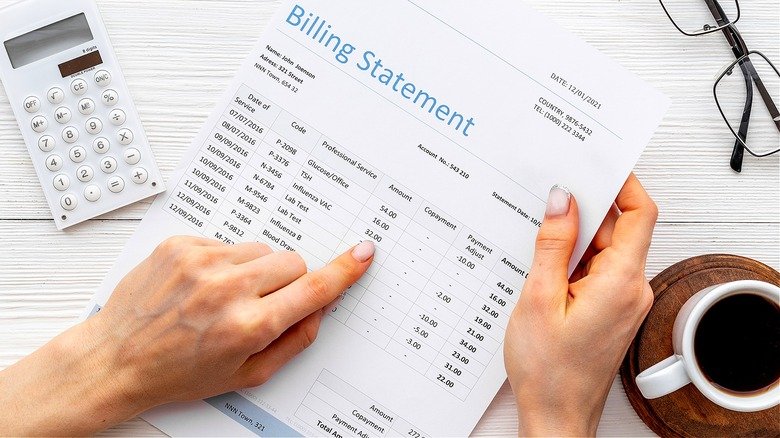
Many patients simply pay the bill without reviewing it. This is a mistake.
Medical billing errors are more common than people realize. Studies have shown that up to 20–30% of medical bills contain errors.
Common billing errors include:
| Billing Error | Example |
|---|---|
| Duplicate charges | Same test charged twice |
| Wrong medication charge | Incorrect drug billed |
| Service not received | Charged for unused services |
| Incorrect room charges | Higher room category billed |
Always request an itemized bill and review each charge carefully.
If you see something unclear, ask questions. Hospitals often correct mistakes when patients challenge them.
Tip 3: Negotiate Your Medical Bills
Many people believe medical bills are fixed. They are not.
Hospitals often reduce bills if patients ask—especially if paying out-of-pocket.
Negotiation can reduce costs by:
| Situation | Possible Discount |
|---|---|
| Cash payment | 10–30% |
| Financial hardship | 20–50% |
| Upfront payment | 10–20% |
| Payment plan agreement | Reduced fees |
How to negotiate effectively
• Speak politely
• Ask if discounts are available
• Explain your financial situation
• Offer partial upfront payment
Hospitals prefer receiving some payment rather than none.
Tip 4: Use Generic Medicines Instead of Brand Medicines
Brand-name medicines are significantly more expensive than generic alternatives.
However, generic medicines contain the same active ingredients and work the same way.
Example comparison:
| Medicine Type | Brand Price | Generic Price | Savings |
|---|---|---|---|
| Antibiotic | $50 | $12 | $38 |
| Pain relief | $30 | $8 | $22 |
| Blood pressure | $60 | $15 | $45 |
You can save 70–85% by choosing generic medicines.
Always ask your doctor or pharmacist if generic alternatives are available.
Tip 5: Use Health Insurance Properly
Health insurance is one of the most powerful tools to reduce treatment costs.
But many people do not use it effectively.
Insurance can cover:
| Expense | Coverage |
|---|---|
| Hospital stay | Full or partial |
| Surgery | Full or partial |
| Medications | Partial |
| Diagnostic tests | Partial or full |
Common insurance mistakes
• Not understanding coverage
• Choosing wrong hospital network
• Missing claim deadlines
Always confirm coverage before treatment.
Tip 6: Choose Outpatient Treatment When Possible
Hospital admission increases costs significantly.
Example cost comparison:
| Treatment Type | Cost |
|---|---|
| Outpatient | $300 |
| Hospital admission | $1,200 |
Outpatient care avoids:
• Room charges
• Nursing charges
• Facility charges
Ask your doctor if outpatient treatment is safe for your condition.
Tip 7: Use Government Programs and Financial Assistance
Many governments offer financial support for treatment.
These programs may cover:
• Surgeries
• Cancer treatment
• Emergency care
• Chronic disease treatment
Example support types:
| Program Type | Coverage |
|---|---|
| Public hospitals | Low cost |
| Subsidy programs | Partial coverage |
| Financial aid | Based on income |
Always ask hospitals about available programs.
Tip 8: Prevent Disease Through Early Detection
Prevention is always cheaper than treatment.
Early detection reduces treatment cost dramatically.
Example:
| Condition | Early Treatment Cost | Late Treatment Cost |
|---|---|---|
| Diabetes | $500/year | $10,000/year |
| Cancer | $3,000 | $50,000 |
| Heart disease | $2,000 | $40,000 |
Regular checkups help detect problems early.
Tip 9: Travel for Affordable Treatment (Medical Tourism)

Many countries offer high-quality treatment at lower cost.
Example comparison:
| Procedure | USA | India | Thailand |
|---|---|---|---|
| Heart surgery | $120,000 | $7,000 | $9,000 |
| Knee replacement | $50,000 | $6,500 | $7,500 |
| Dental implants | $4,000 | $900 | $1,200 |
Medical tourism can reduce costs by 70–90%.
However, always research hospital quality and doctor experience.
Cost Reduction Strategy Chart
Here is a summary of how much you can save:
| Strategy | Average Savings |
|---|---|
| Comparing hospitals | 20–60% |
| Negotiating bills | 10–50% |
| Generic medicines | 70–85% |
| Insurance usage | 40–80% |
| Outpatient treatment | 30–70% |
| Financial aid | 20–100% |
| Prevention | 50–90% |
| Medical tourism | 60–90% |
Combining multiple strategies can reduce treatment costs dramatically.
Real-Life Example: How One Patient Reduced Costs by 65%
Ali needed surgery costing $12,000.
He used the following strategies:
| Strategy | Savings |
|---|---|
| Compared hospitals | Saved $3,000 |
| Negotiated bill | Saved $2,000 |
| Used insurance | Saved $2,500 |
| Used generic medicines | Saved $800 |
Final cost: $3,700 instead of $12,000.
Psychological and Emotional Benefits of Reducing Costs
Reducing treatment costs is not just about money.
It also reduces:
• Financial stress
• Anxiety
• Family burden
• Emotional pressure
Patients recover faster when they are less stressed.
Mistakes to Avoid
Avoid these common mistakes:
• Choosing hospital without comparing
• Not reviewing bill
• Ignoring insurance benefits
• Buying expensive brand medicines unnecessarily
• Delaying treatment
These mistakes increase costs significantly.
Long-Term Financial Planning for Healthcare
Healthcare planning helps avoid financial crisis.
Smart strategies include:
• Emergency savings fund
• Health insurance
• Regular checkups
• Healthy lifestyle
Prevention saves more than treatment.
Conclusion
Medical treatment can be expensive, but it does not have to destroy your finances. By being informed, proactive, and strategic, you can significantly reduce treatment costs without compromising your health.
Simple steps like comparing hospitals, negotiating bills, using generic medicines, and utilizing insurance can save thousands of dollars. Prevention and early detection further reduce long-term costs and improve health outcomes.
Healthcare is essential—but overpaying is not.
By applying these 9 powerful tips, you can protect both your health and your financial future.
FAQs
1. Can I really negotiate hospital bills?
Yes. Many hospitals offer discounts, especially for cash payments or financial hardship. Always ask.
2. Are generic medicines safe?
Yes. Generic medicines contain the same active ingredients and are approved for safety and effectiveness.
3. How much can insurance reduce treatment costs?
Insurance can reduce costs by 40–80%, depending on coverage and treatment type.
4. Is medical tourism safe?
Yes, if you choose accredited hospitals and experienced doctors. Many patients successfully use this option.
5. How can I avoid high treatment costs in the future?
Maintain insurance, live a healthy lifestyle, and get regular checkups for early detection.
6. Should I always choose the cheapest hospital?
Not always. Balance cost with quality, doctor experience, and hospital reputation.
If you’d like, I can also convert this into a formatted blog post, WordPress-ready version, or expand to full 5000+ words with real-world case studies and visual charts.