
Picture this. You’re traveling abroad. You get sick, go to a hospital and the bill is $40,000.
Then you learn your insurance doesn’t pay for it.
That’s not a rare story. It happens to thousands of people annually — not because they went without insurance, but because they bought the wrong kind.
Purchasing global insurance is not like purchasing car coverage or renters insurance. It’s more complicated. The rules depend on where you are, where you’re headed, how long you’ll be there and what you’re doing when you visit.
The global health insurance market is expected to cross $2.5 trillion and will deliver more choice than ever. But more choices also means more opportunities to choose the wrong plan.
This guide covers 9 essential pointers before you purchase global insurance — tips that will save you from financial ruin, paperwork nightmares, or finding yourself stranded without coverage when it matters the most.
Let’s get into it.
First of All, What Is Global Insurance?
Global insurance — also known as international insurance or worldwide coverage — is a type of policy that’s meant to cover you in multiple countries. It can protect you against health emergencies, travel disruptions, lost belongings, life insurance and other hazards.
It’s built for:
- Expats living abroad
- Frequent international travelers
- Digital nomads
- International students
- Business professionals who travel regularly
- Families relocating to another country
It is not the same thing as basic travel insurance you purchase ahead of a vacation. Those short-term plans are limited. Global insurance is more encompassing, longer term and meant for those who spend considerable time outside their home country.
Now that you know what it is — here’s what else to know before you buy it.
Tip #1 — Know What You Need Before You Go Shopping
The vast majority start with the cheapest plan. That’s the wrong move.
Before you even look at one quote, take a seat and answer the following:
- How many countries will I be in?
- How long will I be living or traveling overseas?
- Am I flying solo or with a family?
- Do I have any known chronic illnesses?
- What will the activities be like? (Extreme sports? Desk work?)
- Do I need coverage for only health or also for baggage, liability, and life insurance?
Your responses radically alter what type of plan you require.
The Coverage Mismatch Problem
Here’s a common mistake. A person purchases a basic international health plan as their health insurance, due to how inexpensive it is. They don’t know it doesn’t cover pre-existing conditions, adventure sports or treatment for mental health. Then they need just those things — and they’re not covered.
This doesn’t happen if you know your needs before shopping. Write your needs down. Treat it like a checklist. Then align plans with that checklist — not the other way around.
Tip #2 — Know the Difference Between Travel Insurance and Global Insurance

These two things sound similar. They are not the same.
| Feature | Travel Insurance | Global Insurance |
|---|---|---|
| Duration | Short-term (days to weeks) | Long-term (months to years) |
| Coverage Scope | Trip-specific | Worldwide or multi-country |
| Medical Coverage | Emergency only | Comprehensive, including routine care |
| Pre-existing Conditions | Usually excluded | Sometimes covered (depends on plan) |
| Renewable | Usually not | Yes, annual renewal |
| Best For | Vacations, short trips | Expats, long-term travelers |
A travel insurance plan won’t cut it if you’re moving abroad for a year. You need a good global insurance policy that includes visits to the doctor, dental work, prescriptions and hospital stays — not just emergencies.
One of the most costly mistakes people make is buying the wrong type of policy. Be certain you know which one you really require.
Tip #3 — Verify What Countries Are Actually Covered
This sounds obvious. But many people assume “global” means everywhere.
It doesn’t.
All international insurance policies will contain a list of countries or territories where coverage is included as well as exclusions. The United States, for example, is often omitted entirely or comes with a much higher premium since the cost of healthcare there is so expensive.
Country Exclusions Most Commonly Seen
- USA — Typically excluded or an additional fee to add
- Active conflict zones — War zones and countries with sanctions are almost always excluded
- Your home country — Some policies don’t cover you when returning home
- Specific regions — Insurers may omit entire continents or regions
Before you purchase, ask for the complete list of covered territories. Read it carefully. If you’re considering a visit to the US, even briefly, check that it’s part of your plan — or at least that emergency coverage applies there.
The “Area of Coverage” Trick
Most insurers have area plans set up in tiers:
- Area 1: Worldwide excluding USA
- Area 2: Worldwide including USA
- Area 3: Regional (Europe only, Asia only, etc.)
Area 2 can be quite a bit more expensive than Area 1. Area 1 could help you save a ton of money if you infrequently travel to the US. But if you journey through the US regularly, skipping it is an even bigger risk.
Tip #4 — Read the Fine Print on Pre-Existing Conditions
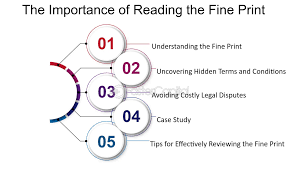
This is where a lot of people get blindsided.
A pre-existing condition is any health problem you have before the policy starts. Think diabetes, asthma, heart conditions, anxiety, previous surgeries — even something as minor as back pain can count.
Some global insurance policies:
- Exclude all pre-existing conditions completely
- Cover them after a waiting period (typically 1–2 years)
- Cover them straight away but at a higher rate
- Add a special rider (add-on coverage) to cover them
What You Should Do
Be honest on your application. Always. It may seem to save you money not to disclose a pre-existing condition immediately, but if you later require treatment and the insurer learns of your omission, they can reject your claim entirely or cancel your policy.
Ask the insurer directly: “How does your policy treat pre-existing conditions?” Get the answer in writing.
If you have a more serious health history, don’t settle for a standard plan that excludes pre-existing conditions — look for insurers that specialize in covering people with complex health backgrounds.
Tip #5 — Compare Deductibles, Premiums, and Out-of-Pocket Limits
Insurance has its own language. Three terms you need to know before buying global insurance:
Premium — The monthly or annual fee you pay to keep the policy in force.
Deductible — The out-of-pocket expenses you pay before your insurance starts. A $1,000 deductible means you pay the first $1,000 of any claim.
Out-of-pocket maximum — The total you will ever spend in a year, after which insurance pays 100 percent.
How These Three Work Together
| Plan Type | Monthly Premium | Annual Deductible | Best For |
|---|---|---|---|
| Low deductible plan | Higher | $500 or less | People with frequent medical needs |
| High deductible plan | Lower | $2,500–$5,000 | Healthy people wanting emergency-only coverage |
| Mid-range plan | Moderate | $1,000–$2,000 | Most expats and long-term travelers |
A low premium sounds great. But if you have a $5,000 deductible, even a minor visit to the hospital could cost you thousands before your insurance pays a dime.
Balance the premium against the deductible according to your realistic expectations of using the policy.
Tip #6 — Learn How Claims Actually Work
Buying insurance is one thing. Being compensated when something goes wrong is another.
Before signing up, ask these questions about the claims process:
- Am I going to pay out of pocket and get reimbursed, or does the insurer pay the hospital directly?
- How long does reimbursement take?
- Can I file claims online, or do I need to mail paperwork?
- Is there an emergency helpline available 24/7?
- What documents are required to file a claim?
Direct Billing vs. Reimbursement
Direct billing means the insurer pays the hospital directly. You walk out without paying (or only paying the deductible). This is the most convenient option — particularly in a medical emergency when you can’t think straight.
Reimbursement means you initially pay the bill yourself, then file a claim and wait to be reimbursed. This can pose a problem if the bill is $20,000 and such cash isn’t just sitting around.
Always ask which model the insurer uses. Opt for direct billing whenever possible, particularly for hospitalizations.
Tip #7 — Research the Insurer’s Reputation and Financial Strength
Not all insurance companies are created equal. Some are solid, well-known institutions. Others are small companies that may not be able to pay out large claims.
Before buying global insurance from any provider, do this:
How to Evaluate an Insurer’s Reputation
- Check financial ratings — Look for ratings from AM Best, Standard & Poor’s or Moody’s. An “A” rating or above is a good sign.
- Read customer reviews — Search Trustpilot, Reddit expat forums and Google Reviews. Pay attention to how people describe the claims process.
- Consider how long they’ve been in business — A company with 20+ years in international insurance is safer than a startup.
- Check their network — Do they have a broad network of hospitals and doctors across the world? A larger network means easier access to care.
Well-Known Global Insurance Providers
According to Investopedia’s guide to international health insurance, some of the best-known names in global health and travel insurance include Cigna Global, Aetna International, Allianz Care, and Bupa Global. These aren’t endorsements — but they give you a framework to measure against when evaluating newer or less established providers.
Tip #8 — Watch Out for These Common Policy Traps
There’s a lot of language in insurance designed to sound inclusive while quietly excluding many things. Here are the most common traps to watch for:
“Emergency Only” Disguised as Full Coverage
Some policies sound extensive but only cover emergencies. Routine checkups, mental health sessions, prescription medications, dental work and maternity care could all be excluded.
Check specifically for:
- Routine outpatient care
- Mental health coverage
- Prescription drug coverage
- Dental and vision
- Maternity and newborn care
- Preventive screenings
If any of these things matter to you, ensure they are spelled out explicitly — not just implied.
Waiting Periods You Didn’t Know About
Most policies have waiting periods before some coverage starts. Maternity coverage, for example, often requires you to be with the policy for 10–12 months before pregnancy benefits apply. If you purchase a policy and later get pregnant within the first year, you may not be covered.
Ask: “Are there any waiting periods on this policy, and if so, what do they apply to?”
Adventure Sports Exclusions
Going hiking, scuba diving, skiing or rock climbing? Standard global insurance policies often explicitly exclude injuries from “high-risk” activities. You might require a special rider to ensure coverage for these activities.
If you are a frequent active traveler, this is essential to check. Before signing anything, review the exclusions list for adventure sports.
Tip #9 — Get More Than One Quote and Use a Broker If Needed
Do not buy the first policy you come across.
Global insurance prices vary wildly — sometimes by hundreds of dollars a month for similar coverage. The only way to find the best deal is to compare.
How to Compare Plans Effectively
Use a side-by-side comparison. Look at:
| Factor | Plan A | Plan B | Plan C |
|---|---|---|---|
| Monthly Premium | $180 | $220 | $155 |
| Annual Deductible | $1,000 | $500 | $2,500 |
| Coverage Area | Worldwide excl. USA | Worldwide | Asia only |
| Pre-existing Conditions | Excluded | 12-month wait | Covered |
| Direct Billing | Yes | Yes | No |
| Mental Health Coverage | No | Yes | No |
When you put it that way, the “cheapest” plan frequently ceases to be the best deal.
Consider Working With an Independent Broker
An independent insurance broker is on your side — not the insurance company’s. They can potentially compare dozens of plans from multiple providers and help you find the best fit for your particular situation.
Brokers are usually paid by commission from the insurer, which means their service may be free to you. Look for brokers who specialize in expatriate or international insurance.
If you are looking for comprehensive financial guidance covering global health coverage and managing healthcare costs abroad, Global Health Financial is a helpful resource worth exploring before making your final decision.
Quick Reference: 9 Tips at a Glance
| # | Tip | Why It Matters |
|---|---|---|
| 1 | Figure out your needs first | Avoid purchasing the wrong plan |
| 2 | Differentiate travel vs. global insurance | Different products for different needs |
| 3 | Verify which countries are covered | “Global” does not always mean everywhere |
| 4 | Read the pre-existing condition rules | Steer clear of nasty surprises during claims |
| 5 | Compare deductibles and premiums | Low premiums can hide high costs |
| 6 | Understand the claims process | Know how and when you’ll get paid |
| 7 | Check insurer reputation | Ensures they can actually pay your claim |
| 8 | Identify common policy traps | Avoid gaps in coverage |
| 9 | Get multiple quotes | Good value is not necessarily the cheapest price |
The Actual Price You Might Pay Without the Right Coverage
Still on the fence about doing your homework before buying? Here’s what healthcare can cost abroad without proper global insurance:
| Medical Event | Estimated Cost Without Insurance |
|---|---|
| Appendix surgery (USA) | $30,000 – $60,000 |
| Emergency airlift/evacuation | $50,000 – $200,000 |
| ICU stay (5 days, Europe) | $15,000 – $40,000 |
| Broken leg treatment (Southeast Asia) | $3,000 – $8,000 |
| Emergency dental procedure | $1,500 – $5,000 |
These figures make even a $300/month premium seem like a steal. The question is not whether global insurance makes sense. It’s whether you have the right one.
FAQs About Buying Global Insurance
Q: When should I purchase global insurance before moving?
Ideally, 30–60 days before you depart. This allows waiting periods to start ticking down. Most insurers let you select a future start date, which can be useful for planning.
Q: I am already outside my home country. Can I still purchase global insurance?
Yes, a lot of providers let you sign up while already abroad. However, some will require a waiting period before coverage kicks in, and some may also have exclusions on conditions that arose between your departure and enrollment.
Q: Do expats have to get global insurance?
It depends on the country. Certain countries — Germany, UAE and Thailand, for example — require proof of health insurance when you apply for a visa. Some don’t require it but strongly encourage it. Always check the entry requirements for your destination.
Q: Is mental health covered by global insurance?
Some plans do, some don’t. Mental health coverage is more common in premium plans but often not included in budget plans. Make sure to ask specifically about mental health, therapy and psychiatric coverage before purchasing.
Q: Is it possible to have my entire family on one global insurance plan?
Yes. Many international health insurance providers offer family plans that cover spouses and children. Family plans are typically more affordable than purchasing separate policies for each person. Be sure that all family members’ pre-existing conditions are fully disclosed.
Q: If I move to another country halfway into my policy term, what will happen?
Most global insurance plans are flexible enough to accommodate this. You might need to update your address and make sure the new country is in your coverage area. Notify your insurer as soon as you have knowledge of the move.
Q: Does global insurance cover emergency evacuation?
Many comprehensive plans cover medical evacuation, which pays to transport you to the nearest appropriate medical facility. Some even include repatriation to your home country. This is one of the most important features to confirm — evacuation can cost $200,000 on its own.
The Bottom Line
Purchasing global insurance without doing your homework is like packing for a trip to a destination you know nothing about. You might get lucky. Or you could find yourself seriously exposed.
These 9 essential tips shared in this guide are not hard to follow. They only need a little patience and a willingness to ask the right questions ahead of signing anything.
Know your needs. Compare plans carefully. Read the fine print. Check the insurer’s reputation. And never assume “global” means everywhere is covered for everything.
The best global insurance plan will give you something truly priceless — the ability to live and travel abroad with the confidence that a medical or financial disaster won’t wipe out everything you’ve worked for.
Do the homework now. Your future self will thank you for it.