
You remit your insurance premium month after month. But are you really receiving all that you’re paying for?
Most people aren’t.
The reality is that most insurance policies contain a ton of unused benefits. Not because people don’t access them — but because they weren’t told those benefits existed. Insurance companies aren’t exactly running to remind you of every perk in your plan.
That ends today.
This article deciphers 7 hidden insurance benefits that most policyholders completely overlook. A few of these might save you hundreds. Others might guard you against financial catastrophes you didn’t even see coming.
Let’s dig in.
Your Insurance Policy Is More Valuable Than You Realize
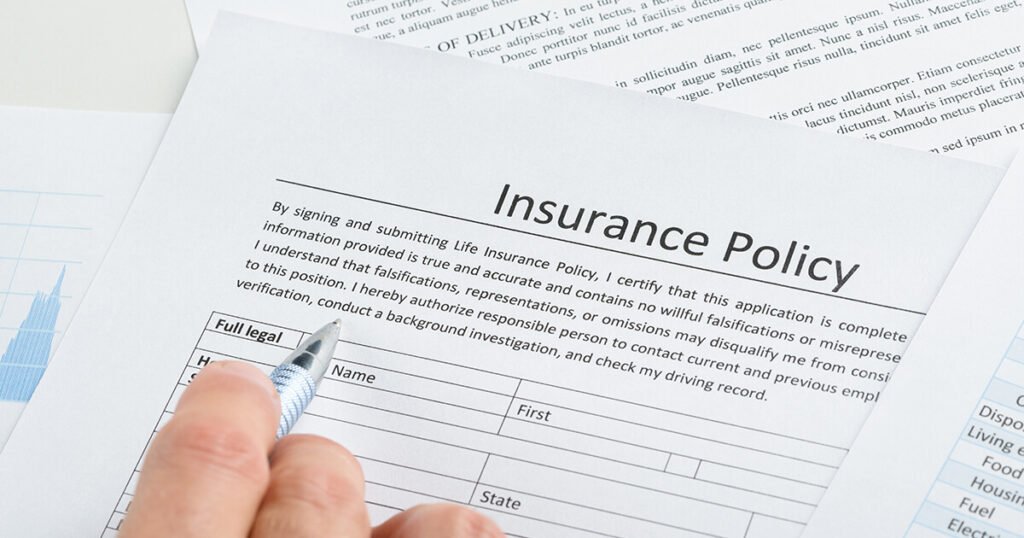
Before we dive into the specific benefits, know this.
Insurance policies are long, complex documents filled with complicated language. Most people sign up, put the paperwork away, and never look at it again. That’s totally understandable — but it’s also expensive.
A 2022 survey conducted by ValuePenguin found that almost 1 in 3 Americans have never fully read their insurance policy. And for those who have, many still do not comprehend all that it entails.
The result? Every year, billions of dollars in unclaimed benefits.
The good news is that you don’t have to read each page of fine print. You just have to know where to look — and what questions to ask. And that’s precisely why this article exists.
💡 For more help navigating your insurance options and managing healthcare costs, visit Global Health Financial — a trusted resource for making smarter health and financial decisions.
Hidden Benefit #1 — Free Preventive Care That Many People Don’t Use
This one is major, and it affects almost everybody with health insurance.
Under the Affordable Care Act (ACA), most health insurance plans are required to cover preventive care at no cost to you. No copay. No deductible. No bill.
That includes things like:
- Annual physical exams
- Blood pressure and cholesterol screenings
- Cancer screenings (mammograms, colonoscopies, etc.)
- Immunizations and vaccines
- Depression screenings
- Diabetes screenings
Why People Miss This Benefit
Everyone expects a bill after a doctor visit. So they don’t go to the appointment at all. But preventive care visits — when they are correctly coded — should cost you nothing.
The key phrase there is “coded correctly.” Always check with your provider’s office before your appointment that the visit will be billed as preventive, not as a diagnostic visit. One code difference can be the difference between paying $0 out of pocket versus $200.
What This Saves You
| Preventive Service | Average Cost Without Insurance | Your Cost With Qualifying Plan |
|---|---|---|
| Annual physical | $150 – $300 | $0 |
| Mammogram | $100 – $250 | $0 |
| Colonoscopy | $1,000 – $3,500 | $0 |
| Cholesterol screening | $50 – $150 | $0 |
| Flu vaccine | $30 – $60 | $0 |
And if you’ve been avoiding your annual checkup because the cost worried you — don’t. It’s free.
Hidden Benefit #2 — Mental Health Coverage That’s More Than Therapy
Mental health coverage has greatly expanded in recent years. But for most policyholders, there is little idea about how much is actually covered.
Thanks to the Mental Health Parity and Addiction Equity Act, most insurance plans are required to cover mental health services at least as readily as they cover physical health services. So your plan likely covers much more than just weekly therapy sessions.
What Might Be Covered
- Individual therapy and counseling
- Group therapy sessions
- Psychiatric evaluations
- Prescription medications for mental health conditions
- Inpatient mental health treatment
- Substance abuse treatment and rehabilitation
- Telehealth mental health visits (often at lower copays than in-person)
The Telehealth Bonus
Here’s something many people overlook. Since the onset of the COVID-19 pandemic, the majority of insurance plans now cover telehealth mental health visits — video or phone calls with a licensed therapist or psychiatrist.
These visits tend to cost less than in-person visits. Some plans charge a lower copay for telehealth, and others cover it 100%. You can see a therapist from your own living room without spending extra.
If you’ve been paying for mental health care out of your own pocket — or avoiding it because it’s so expensive — call your insurance company today and find out precisely what is covered.
Hidden Benefit #3 — Roadside Assistance Hiding in Your Auto Policy
Most people pay extra for roadside assistance through services like AAA or tack it on to their cell phone plan. What they fail to recognize is that this coverage is typically already contained in their auto insurance policy.
Roadside assistance from your auto insurer usually includes:
- Towing to the nearest repair center
- Battery jump-starts
- Flat tire changes
- Lockout service (if you lock your keys in the car)
- Fuel delivery if you run out of gas
- Winching if your car gets stuck
How to Check If You Have It
Get your auto insurance declarations page — that’s the one-page summary of your coverage. Look for terms like:
- Roadside Assistance
- Emergency Road Service
- Towing and Labor Coverage
If you don’t see it, call your insurer and ask. If it’s not already included, adding it is typically very inexpensive — often just $5–$15 a year.
Cost Comparison
| Service | Annual Cost (Separate Plan) | Annual Cost (Added to Auto Policy) |
|---|---|---|
| AAA Basic Membership | $60 – $80 | — |
| Cell carrier roadside add-on | $36 – $60 | — |
| Auto insurer add-on | — | $5 – $15 |
If you’re already paying for AAA, and your auto policy includes roadside assistance — you’re effectively paying twice for the same thing.
Hidden Benefit #4 — Gym Memberships and Wellness Perks

Your gym membership may literally be covered by your health insurance. And you may not even know it.
Many health insurance plans — particularly those offered through large employers — cover wellness programs that reimburse you for gym memberships, fitness classes, and other healthy lifestyle expenses.
What Wellness Benefits Can Include
- Full or partial gym membership reimbursement
- Free or discounted access to fitness apps (Calm, Headspace, MyFitnessPal, etc.)
- Weight loss program reimbursements (like WW, formerly Weight Watchers)
- Smoking cessation programs — typically 100% covered
- Nutrition counseling sessions
- Discounts on fitness equipment
Programs to Look For
Some insurers operate their own wellness platforms. Here are a few common ones:
| Insurance Company | Wellness Program |
|---|---|
| UnitedHealthcare | Motion (activity-based rewards) |
| Aetna | Attain by Aetna |
| Cigna | Cigna Wellbeing |
| Humana | Go365 |
| Blue Cross Blue Shield | Varies by state |
Some of these programs pay cash rewards, gift cards, or premium discounts simply for tracking your steps, completing health assessments, or meeting fitness goals.
How to Find Yours
Log into your insurance company’s member portal. Search for a section called “Wellness,” “Rewards,” or “Healthy Living.” If you can’t find it, call member services and ask: “Do you provide any gym membership reimbursements or wellness rewards?”
Hidden Benefit #5 — Home Insurance Protects More Than Your House
One of the most common misconceptions about home insurance is that it primarily protects the structure of your home. In fact, a standard homeowners policy covers much more than most policyholders think to claim.
Personal Property Coverage — Even When Not at Home
This is one that leaves a lot of people stunned.
Your home insurance covers your personal belongings even while they’re away from home. That means if your laptop gets stolen at a coffee shop, or your luggage is lost during a trip — your homeowners or renters insurance might cover it.
This is known as off-premises personal property coverage, and it’s included in most standard policies.
Other Surprising Home Insurance Benefits
Additional Living Expenses (ALE): If your home becomes unlivable because of a covered disaster — such as a fire or devastating storm — your insurer will cover the cost of hotel stays, restaurant meals, and temporary housing while repairs are being made.
Liability Protection: If someone slips and falls in your home — or even in your yard — and sues you, your home insurance will pay for your legal fees as well as any court-ordered payments. This coverage often applies to incidents that occur away from your property too, such as if your dog bites someone at a park.
Identity Theft Coverage: Some policies include coverage for identity theft, or it can be added at a low cost, covering the expenses of restoring your identity and related legal costs.
What’s Typically Covered vs. What’s Not
| Covered | Usually Not Covered |
|---|---|
| Theft of personal belongings | Floods (requires a separate policy) |
| Fire and smoke damage | Earthquakes (requires a separate policy) |
| Windstorm and hail | Routine wear and tear |
| Liability for injuries | Intentional damage |
| Off-premises theft | High-value items (jewelry, art — need riders) |
Review your declarations page carefully. You could discover coverage you’ve been sitting on for years.
Hidden Benefit #6 — Life Insurance Living Benefits
Most people believe life insurance only pays out when you die. That’s not entirely true anymore.
Many modern life insurance policies include features called living benefits — sometimes referred to as accelerated death benefits. These enable you to access a portion of your death benefit while you’re still alive, under certain conditions.
When You Can Access Living Benefits
- Terminal illness: When diagnosed with a terminal illness and given a limited life expectancy (usually 12–24 months), you may be able to access part of your benefit early.
- Chronic illness: If you develop a chronic condition that prevents you from carrying out basic daily activities, some policies offer early access to funds.
- Critical illness: A serious diagnosis such as a heart attack, stroke, or cancer may unlock access to funds to help cover treatment costs.
- Long-term care: Some policies include or allow riders for long-term care coverage, helping to pay for nursing home or in-home care costs.
Why This Matters
The average cost of a nursing home in the U.S. exceeds $90,000 per year. In-home care can run $50,000–$70,000 annually. Without careful planning, these costs can consume a lifetime of savings.
If your life insurance includes living benefits, those funds may cover care expenses without requiring you to drain your savings account.
How to Check
Call your life insurance company and ask: “Does my policy have any living benefit riders or accelerated death benefit provisions?”
If your current policy doesn’t include them, ask whether they can be added — or whether it makes sense to shop for a new policy that does.
Hidden Benefit #7 — Travel Perks Tucked Into Your Existing Policies
Planning a vacation? You may already have travel coverage you weren’t aware of.
Travel benefits are buried in two very common places: your credit card and in your existing insurance policies.
Health Insurance Travel Benefits
Most health insurance plans cover emergency care when traveling within the United States. Some — including certain employer-sponsored plans and PPOs — also cover emergency care internationally.
Before any trip, call your insurer and ask:
- “Does my coverage apply for emergency care in [destination]?”
- “Does my plan include medical evacuation if I have to be transported to a hospital?”
Knowing the answer before heading out could save you thousands of dollars — and help you avoid purchasing duplicate travel insurance coverage you don’t need.
Travel Coverage in Your Auto Insurance
If you are renting a vehicle, your personal auto insurance may already cover damage to the rental vehicle. Before you pay for the rental company’s collision damage waiver (CDW) — which can range from $15 to $30 a day — check with your insurer first.
You could be paying for coverage you already have.
Travel Benefits You May Have Through Credit Cards
Many travel credit cards come with perks such as:
- Trip cancellation and interruption insurance
- Lost luggage reimbursement
- Travel accident insurance
- Emergency evacuation coverage
- Rental car collision coverage
Quick Checklist Before Your Next Trip
| Before You Travel | Ask This Question |
|---|---|
| Health insurance | “Am I covered at my destination?” |
| Auto insurance | “Does my policy cover rental cars?” |
| Credit card | “What travel protections does my card include?” |
| Life insurance | “Are there any travel exclusions in my policy?” |
Going through this checklist before every trip could spare you $100–$500 in unnecessary travel insurance purchases — per trip.
How to Actually Find Your Hidden Benefits
Now that you know what to watch for, here’s how to go find it.
Step 1 — Read your declarations page. For every policy, you get this one-page summary. It tells you what’s covered and what isn’t. Start here.
Step 2 — Log into your member portal. Most insurers offer online portals where you can view your full benefits, wellness programs, and available add-ons.
Step 3 — Call member services. This is the quickest way to get answers. Dial the number on the back of your insurance card and ask directly: “What benefits am I not using that I should know about?” A good representative will walk you through your plan.
Step 4 — Talk to your HR department. If your insurance comes through your employer, your HR team generally knows about perks that aren’t well-publicized — including gym reimbursements, EAP programs, and wellness rewards.
Step 5 — Review your policy each year. Benefits change. Plans update. A 30-minute annual review of your coverage could pay off in a big way.
Frequently Asked Questions
How do I find out whether my health insurance covers preventive care at no charge? Most plans under the ACA must cover a list of preventive services without charge. Visit healthcare.gov and search for “preventive care benefits” to see the complete list. Then contact your insurer to confirm which particular services are covered under your specific plan.
Will I actually be able to have my gym membership paid for by insurance? Yes — some plans will reimburse you, in whole or in part, for gym memberships through wellness programs. Log into your insurer’s member portal or call member services to find out. The amount varies dramatically — from $20 per month to several hundred dollars per year.
What are life insurance living benefits, and do all policies include them? Living benefits enable you to use a portion of your life insurance payout before your death if you’re diagnosed with a qualifying illness. Not all policies include them. Some automatically include them; others require a rider to be added. Call your life insurance company to check.
Does my home insurance really protect items stolen outside of my home? Yes. Most standard homeowners and renters policies include off-premises personal property coverage. This means that if your phone or laptop is stolen while you’re out, your home insurance may cover it — subject to your deductible and coverage limits.
Should I cancel my AAA membership if my auto insurance includes roadside assistance? That depends. Compare what’s included with each option. AAA could provide wider coverage or benefits — such as travel discounts and DMV services — not offered by your auto insurer. But if you’re only using AAA for roadside assistance, and your insurer covers the same thing, you may not need to keep both.
What is the difference between an accelerated death benefit and a long-term care rider? An accelerated death benefit lets you access a portion of your life insurance payout early if you’re terminally ill. A long-term care rider provides ongoing funds specifically for care costs — such as nursing home or home health aide services — and is typically a separate add-on to your policy.
Is telehealth covered by health insurance for mental health visits? In most cases, yes. Telehealth coverage has expanded dramatically since the pandemic. Many plans reimburse telehealth mental health visits at the same or lower rate than in-person visits. Call your insurer or check your member portal for in-network telehealth providers.
Stop Leaving Money on the Table
Here’s the bottom line.
You have been paying for insurance every single month. That money should be working as hard as it can for you. And for most people right now, it isn’t.
Hidden insurance benefits are not a myth. They’re real, they’re in your policy right now, and most of them can be used at no additional charge to you. From free preventive care and gym reimbursements to roadside assistance and living benefits — the value is already there. You just have to claim it.
Pick one benefit from this list. Make one phone call. Ask one question.
That one step could save you hundreds of dollars — or shield you from a financial disaster you never saw coming.
Your insurance policy is worth more than you realize. It’s time to use all of it.