
You work hard for your money. So why allow banks, lenders and hidden fees to silently siphon thousands of dollars out of your account each year?
Presumably, most people think saving $10,000 means a radical overhaul of their lifestyle — no more coffee or vacations, living on rice and beans. But the reality is that some of the greatest savings come not necessarily just from how much you’re spending, but also how you’re financing things.
If done properly, the right financing moves could save you $10,000 or more in just a few years. These aren’t complex Wall Street maneuvers. These are practical, proven hacks everyday people use every day to cut back on what they overpay and start winning with their money.
Let’s break them all down.
Hack No. 1: Refinance Your Loans Before the Interest Drains You Dry
The Very Powerful Money Move That Is Refinancing
If you took out a loan when your credit score was lower — or interest rates were higher — you could be overpaying to an extreme degree. Refinancing is simply paying off your old loan with a new one at a lower rate.
Here’s a simple example:
| Loan Amount | Old Interest Rate | New Interest Rate | Monthly Savings | Savings Over 5 Years |
|---|---|---|---|---|
| $30,000 | 9.5% | 5.5% | ~$60 | ~$3,600 |
| $50,000 | 8.0% | 4.5% | ~$95 | ~$5,700 |
| $20,000 | 11.0% | 6.0% | ~$55 | ~$3,300 |
Simply refinancing a single loan could put you one-third of the way to saving $10,000.
Where to Refinance
Check these options first:
Credit unions usually have the lowest rates. They’re nonprofit, so they pass the savings to members. Online lenders are competitive and easy to apply to — SoFi, LightStream or Earnest are great starting points. Your existing bank may offer loyalty discounts, if you inquire.
The key word there is ask. Most lenders won’t offer a better rate without prompting. You have to request it.
When Refinancing Makes Sense
Refinancing is most effective if your credit score has increased more than 50 points since you took out your original loan, market interest rates have decreased, or when there are at least two years remaining on your loan. If you’re near the end of a loan, refinancing may not save much because you’ve already paid most of the interest.
Hack #2: Leverage 0% APR Deals as a Free, Short-Term Loan

What Zero-Interest Financing Really Means for Your Wallet
Some credit cards offer 0% APR (Annual Percentage Rate) for 12 to 21 months on purchases or balance transfers. If you use these sensibly, you are legitimately getting a free load of cash from a bank.
Let’s say you have to purchase a $4,000 appliance or pay a medical bill. Rather than charging it to a high-interest card at 22% APR, you open a 0% APR card and pay it down over 15 months. You pay zero interest. That’s $500–$800 saved on just that one item.
The Golden Rules of 0% APR Cards
There are two rules you must obey with these offers.
Rule 1: Pay off the full balance before the promotional period ends. When it does expire, the remaining balance is usually hit with the full interest rate — in some cases retroactively.
Rule 2: Don’t rack up more than you can realistically pay off. This isn’t free money. It’s a bridge loan that remains free only if you are disciplined.
Best Cards for 0% APR Offers
Cards such as the Wells Fargo Reflect Card (21 months), Citi Diamond Preferred (21 months) and Chase Freedom Unlimited regularly feature long 0% intro periods. Be sure to read the fine print before applying.
Hack #3: Make One Extra Loan Payment a Year
The Easy Math That Could Save You Thousands
This hack seems almost too straightforward. But the numbers are irrefutable.
On a 30-year mortgage, one extra payment per year will reduce your loan by 4–6 years and save tens of thousands in interest.
Here’s how it works on a standard home loan:
| Mortgage Amount | Interest Rate | Regular Payoff | With 1 Extra Payment/Year | Est. Interest Saved |
|---|---|---|---|---|
| $250,000 | 6.5% | 30 years | ~25 years | ~$47,000 |
| $180,000 | 5.75% | 30 years | ~25.5 years | ~$28,000 |
| $150,000 | 7.0% | 30 years | ~24.5 years | ~$31,000 |
Even on a car loan or personal loan, one extra payment each year reduces the principal sooner and dramatically lowers your total interest cost.
How to Make This Work Without Breaking the Bank
Take your monthly payment, divide it by 12, and add that small amount onto each monthly payment. You’ve effectively made one extra full payment by the end of the year, without feeling like you’re writing a big check.
So if your mortgage payment is $1,200 a month, add $100 to each payment. You don’t notice it month to month, but the cumulative effect is huge.
Hack #4: STOP Ignoring Your Credit Score — Repair It and See Rates Fall
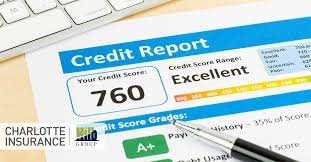
How a Better Credit Score Alone Can Save You $10K
Your credit score is a sort of financial report card. A higher score means lenders will offer you a lower interest rate. A difference of a few hundred points can be worth 2–4% depending on whether you land in the fair (580–669) or good (670–739) score range for the majority of loans.
Here’s what that looks like in dollars on a car loan:
| Credit Score Range | Avg. Auto Loan Rate | Monthly Payment (48 mo, $25K) | Total Interest Paid |
|---|---|---|---|
| 781–850 | ~5.0% | ~$576 | ~$2,650 |
| 661–780 | ~7.0% | ~$598 | ~$3,700 |
| 601–660 | ~11.5% | ~$652 | ~$6,300 |
| 501–600 | ~16.0% | ~$710 | ~$9,100 |
What’s the difference between the top and bottom row? More than $6,400 on one car loan. Improve your credit score and that money is yours to keep.
Quick Ways to Raise Your Credit Score
Pay all your bills on time — payment history is 35% of your score. Keep your credit card balances under 30% of your limit (this is known as your “utilization ratio”). Dispute any errors on your credit report. You can view your report at no charge at AnnualCreditReport.com.
Don’t close old accounts either. The age of your credit history counts. It’s also helpful to keep old cards active, even if you don’t use them.
How Long Does It Take?
Minor improvements may occur in 30–60 days. Major score increases (50–100 points) usually require several months of regular good behavior. It’s worth the patience.
Hack #5: Negotiate Everything — Even Those Things You Think Are Non-Negotiable
The Secret Lenders Don’t Want You to Know
Many borrowers believe terms, rates and fees are fixed. They’re not. Pretty much everything in financing is negotiable — you just need the guts to ask.
According to research, the vast majority of people who request a lower interest rate on a credit card get one. The same is true for personal loans, auto loans and even mortgage origination fees.
For a deeper look at how to manage healthcare and personal finance together, Global Health Financial offers resources that can help you make smarter money decisions across all areas of your life.
What You Can Actually Negotiate
Credit card APR: Call your card issuer, note how long you’ve been paying on time and request a rate reduction. Be polite but direct. This is more common than people realize.
Loan origination fees: These apply when you take out a mortgage or personal loan, and can be anywhere from 0.5% to 2% of the amount borrowed. On a $200,000 loan, that’s $1,000–$4,000. Request that your lender reduce or waive these fees.
Prepayment penalties: Some lenders assess a fee for paying off your loan early. Don’t sign anything until you negotiate to remove this.
Dealer financing: Dealers mark up their financing rates because they take a cut. Have your bank or credit union pre-approve a loan offer for you. The dealer will usually match or beat it just to make the deal.
A Script That Works
When you call your credit card company, try: “Hi, I’ve been a customer for [X] years and always pay on time. Other cards have offered me lower rates. I want to remain with you — can anything be done regarding my current rate?”
Simple, confident, and effective.
Hack #6: Fund Major Purchases Using Tax-Advantaged Accounts
Why Paying Yourself First Is a Financing Strategy
Many people think financing pertains exclusively to loans and credit. But a few of the most clever financing hacks have to do with moving money through tax-advantaged accounts so that each dollar goes as far as possible.
Health Savings Accounts (HSAs)
You can open an HSA if you have a high-deductible health plan. You can contribute tax-free, grow it tax-free, and withdraw for medical expenses tax-free. That’s a triple tax advantage.
Instead of funding a medical procedure on a credit card at 20%+ interest, you could fund it ahead of time with pre-tax dollars through an HSA. This can shave off 22–32 cents on every dollar spent on healthcare, depending on your tax bracket.
Over several years of medical expenses, that means well over $2,000–$4,000 in tax savings.
Flexible Spending Accounts (FSAs)
FSAs function in the same way for healthcare and dependent care costs. You pay with pre-tax dollars, reducing your taxable income right away. If you are in the 22% tax bracket and contribute $2,750 (the annual maximum), you save $605 immediately.
401(k) Loans — Do So With Extreme Caution
Some employer-sponsored 401(k)s allow you to borrow against your balance. The interest you pay goes back into your account. But this strategy carries real risks — if you leave your job, the loan could be due immediately. Only use this as a last resort.
Using a Roth IRA for Large Purchases
You can always pull out your contributions (not earnings) from a Roth IRA, penalty-free. Some treat it like a pool of emergency financing. It’s not ideal because you’re disrupting compounding growth, but it’s better than paying 18–25% interest on a credit card.
Hack No. 7: Buy Down Your Rate With Mortgage Points
What Are Mortgage Points and Should You Pay Them?
When you take out a home loan, lenders give you the choice to “buy down” your interest rate with an upfront payment of points. One point equals 1% of the loan amount, which usually lowers your rate by 0.25%.
On a $300,000 loan, that costs $3,000. But here’s the math:
| Scenario | Rate | Monthly Payment | Monthly Savings | Break-Even Point |
|---|---|---|---|---|
| No points | 7.0% | $1,996 | — | — |
| 1 point paid | 6.75% | $1,946 | ~$50/mo | ~60 months |
| 2 points paid | 6.5% | $1,896 | ~$100/mo | ~60 months |
If you intend to reside in the home for longer than 5 years, acquiring points generally is a smart economic decision. Purchasing 2 points saves you $36,000 in interest payments over the course of a 30-year loan — for an upfront cost of just $6,000.
When It Doesn’t Make Sense to Buy Points
If you plan to sell or refinance within 3–4 years, you probably won’t reach the break-even point. In that case, say no to points and keep your cash instead.
Putting It All Together: Your $10K Savings Roadmap
How These Hacks Stack Up
Here’s an honest look at what combining several of these strategies can do to achieve — and possibly even exceed — $10,000 in savings:
| Hack | Potential Savings |
|---|---|
| Refinancing a mortgage or auto loan | $2,000–$5,000+ |
| Using 0% APR offers strategically | $500–$1,500 |
| One extra payment per year | $1,000–$3,000 |
| Improving credit score before borrowing | $2,000–$6,000 |
| Negotiating fees and rates | $500–$2,000 |
| Tax-advantaged accounts (HSA, FSA) | $500–$2,500 |
| Buying mortgage points | $1,000–$5,000 |
| Total Potential | $7,500–$25,000+ |
Not every hack needs to be used to reach $10,000. A few correct moves — made at the right time — can take you there.
Start Small, Win Big
You don’t have to implement all seven hacks at once. Choose whichever is easiest for your situation right now. Perhaps it’s calling your credit card company to request a lower rate. It could be signing up for a free credit monitoring service.
Every step forward builds momentum.
Frequently Asked Questions
Q: Can I actually save $10,000 just by changing how I finance things? Yes — and lots of people save a lot more. The most significant savings come from long-term loans, such as mortgages and auto loans, where a 1–2% difference in rate translates to thousands of dollars saved over the life of the loan.
Q: How quickly will I see results from these financing hacks? Some hacks, such as negotiating your credit card rate, can pay off in one call. Others, like improving your credit score or paying off a mortgage earlier, take months or years. But the earlier you begin, the more you save.
Q: Is refinancing always a good idea? Not always. You also have to figure out your break-even point — how long it takes for your monthly savings to pay for the refinancing costs. If you expect to move or pay off the loan soon, refinancing may not make financial sense.
Q: Will 0% APR offers hurt my credit score? When you apply for a new card, you get hit with a small, temporary dip in your score (typically 5–10 points). If you use the card responsibly and pay down the balance on time, your score usually rebounds within a few months.
Q: What’s the single easiest way to save on financing today? Pick up the phone and call your credit card company — ask for a lower rate. It takes 10 minutes. If that doesn’t work, consider a balance transfer to a 0% APR card. Just these two moves could save hundreds or thousands in the next year.
Q: Are mortgage points worth buying in 2025? It depends on the length of time you expect to live in the home and where interest rates are at the time you close. Do the break-even math with your lender before you commit. If you’re staying 7+ years, points are frequently good value.
Q: Can I negotiate financing terms if I have bad credit? Yes, but your leverage is limited. Keep yourself focused on improving your credit score for the time being — even three to six months of good behavior can open up new doors. Credit unions are generally more lenient than banks with borrowers anyway.
The Bottom Line
You don’t need to sacrifice everything to save $10,000. It means being intelligent and strategic, knowing when to ask the right questions at the right time.
All 7 smart financing hacks in this article — refinancing, using 0% APR offers, making extra payments, boosting your credit score, negotiating rates and fees, leveraging tax-advantaged accounts, and buying mortgage points — work. Not as sleight of hand, but as genuine financial instruments that millions of people are using to stop giving their hard-earned money to lenders.
The biggest error most people make is thinking that these things are too complicated or that the rules cannot be changed. They can. And now you know how.
Pick one hack. Start today. Your future bank account will appreciate you for it.