
Medical emergencies don’t wait. A sudden hospital visit, an unexpected surgery, or a huge dental bill can quickly take a big bite out of your bank account.
The good news? You don’t need to do it alone.
Those costs can be covered quickly by way of a medical loan. However, the real question that many ask is: how do I get approved quickly?
This article outlines 5 simple, easy-to-implement ways you can get your medical loan approved faster. Whether this is your first loan or your fifth, these tips will help you act faster and smarter.
The Rising Trend of Medical Loans
Medical demand continues to increase each year. Even with insurance, costs can be overwhelming.
Recent surveys show that almost 1 in 3 Americans have postponed medical treatment due to anxiety over costs. That’s a big problem — and medical loans are emerging as the solution of choice.
A medical loan is a type of personal loan specifically designed for healthcare-related expenses. You take out a set amount of money, pay it back through monthly installments, and typically receive funds within 24 to 72 hours.
The catch? How fast you get approved depends on your readiness.
Let’s fix that right now.
Method #1 — Verify and Clean Up Your Credit Score Before You Apply
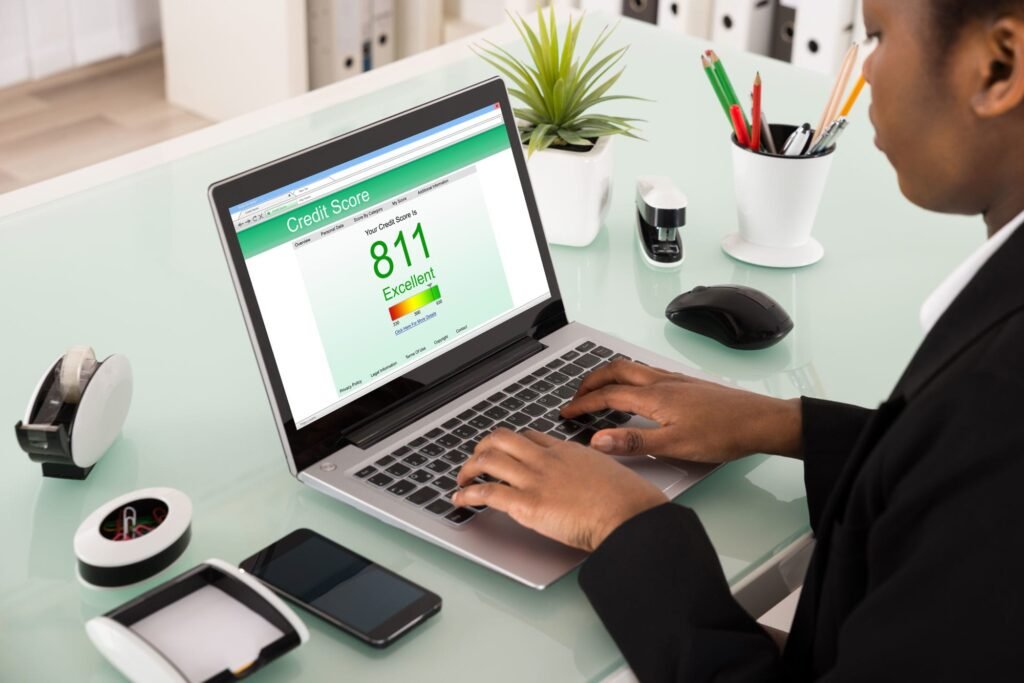
Your Credit Score Is Lenders’ First Stop
Your credit score is among the first numbers a lender looks up when they see your application. It describes how reliably you have repaid money in the past.
The higher the score, the less risk to the lender. Less risk means quicker and easier approval.
Here’s a basic guide to what different scores indicate:
| Credit Score Range | Rating | Chance of Loan Approved |
|---|---|---|
| 750 – 850 | Excellent | Very High |
| 700 – 749 | Good | High |
| 650 – 699 | Fair | Medium |
| 600 – 649 | Poor | Low |
| Below 600 | Very Poor | Very Low |
How to Quickly Clean Up Your Credit
You won’t have to wait months to build your credit. Even minor steps taken in a couple of weeks can be useful.
Begin by downloading your free credit report from AnnualCreditReport.com. Scan for errors — incorrect addresses, accounts you don’t recognize, or charges listed as late that weren’t.
Dispute those errors right away. Credit bureaus must investigate by law within 30 days.
And make an effort to reduce credit card balances. Even lowering your utilization from 50% to 30% can raise your score significantly.
What If Your Score Happens to Be Low Right Now?
Don’t panic. Medical loans for bad credit are provided by lenders who focus specifically on those types. They might have a higher interest rate, but they are meant for situations like yours.
Other lenders, including credit unions and community banks, take a broader view than just the number. They look at your job history, income stability, and even the nature of your medical need.
Bottom line: Know your score before you apply. Never go in blind.
Way #2 — Get All Your Documents Ready Before You Apply
The Fast Comes From Being Prepared, Not Lucky
A major reason loan applications get held up is missing paperwork. A lender requests a document, you race to retrieve it, and days go by.
That delay might involve postponing treatment — something no one wants.
Having your docs ready before you click apply is one of the fastest ways to move from “applied” to “approved.”
Core Documents Most Medical Loan Lenders Require
Here’s what you’ll typically need:
| Document | Why It’s Needed |
|---|---|
| Government-issued photo ID | Confirms your identity |
| Proof of income (pay stubs, tax returns) | Shows you can repay |
| Bank statements (last 2–3 months) | Verifies financial stability |
| Proof of address (utility bill, lease) | Verifies where you live |
| Medical bills or cost estimate | Details purpose for loan |
| Social Security Number | Required for credit check |
How to Sort Your Documents Quickly
Set up one folder — on your computer or in the real world — named “Medical Loan Application.” Drop everything into it.
Use your phone to scan or photograph all physical documents. Most lenders will accept these digitally via a secure upload portal.
Double-check that everything is current. A pay stub dated six months ago might not be sufficient. Use your two most recent ones.
Going in with everything ready shows the lender that you’re serious and organized. That in itself can help expedite things.
Strategy #3 — Select the Best Type of Lender for Your Situation

Different Lenders Work Differently
This is where most people make an expensive mistake. They apply at the first place they see — often a large traditional bank — and then wait days or sometimes weeks for a yes or no.
Other lenders, meanwhile, might have said yes in hours.
Knowing the right type of lender for your situation changes the game for securing a fast medical loan approval.
A Comparison of Your Lending Options
| Type of Lender | Approval Speed | Best For |
|---|---|---|
| Online personal loan lenders | 24 – 48 hours | Most people, urgent needs |
| Credit unions | 2 – 5 business days | Members with fair credit |
| Hospital financing programs | Same day (sometimes) | Specific hospital costs |
| Healthcare credit cards (CareCredit) | Minutes to hours | Dental, vision, elective care |
| Traditional banks | 5 – 10 business days | Those with good credit |
| Peer-to-peer lending platforms | 2 – 4 days | Alternative option |
Online Lenders Tend to Be the Fastest
Online lenders including LightStream, Upstart, SoFi, and Prosper have streamlined the entire application process. You can apply in under 15 minutes on your phone.
Their systems are automated, which means fewer human delays. They often provide a decision in minutes, with funds deposited within one business day.
If you’re looking for guidance on navigating your healthcare financing options, Global Health Financial offers helpful resources to help you make informed decisions about medical loans and payment plans.
Don’t Lose Sight of Your Hospital’s Own Financing
Many healthcare systems and hospitals offer in-house financing. Some will even offer 0% interest payment plans for qualified patients.
Call your hospital’s billing department before assuming you need a loan from an outside lender. You may be surprised at what they offer.
Healthcare-Specific Credit Cards
Products such as CareCredit or Alphaeon Credit are made just for medical expenses. They usually also have promotional periods — often six to 18 months — during which no interest is charged, as long as you pay in full by the end of that period.
These are great for elective procedures such as braces, LASIK, or cosmetic surgery.
Tip #4 — Ask for the Right Loan Amount (Not Too Much, Not Too Little)
Your Loan Amount Impacts Your Time to Approval
What many don’t know is that asking for too much money can stall or even halt your approval.
When it comes to risk, lenders look at how much you’re borrowing in relation to your income. This is known as your debt-to-income ratio (DTI).
If your DTI appears too high, the lender grows anxious. They might require more documentation, ask you to get a co-signer, or outright deny your application.
What Is Debt-to-Income Ratio and Why Is It Important?
Your DTI is calculated as follows:
DTI = Total Monthly Debt Payments ÷ Gross Monthly Income × 100
For example, if you pay $800/month in debts and earn $3,000/month:
$800 ÷ $3,000 × 100 = 26.7% DTI
Most lenders generally want a DTI under 40%. Some want it below 35%.
| DTI Range | Lender’s Perspective |
|---|---|
| Under 20% | Excellent — very low risk |
| 20% – 35% | Good — solid approval odds |
| 36% – 45% | Moderate — may require additional review |
| Above 45% | High risk — may be denied |
How to Determine the Right Amount to Borrow
Request a written cost estimate from your doctor, dentist, or hospital. Don’t just guess.
Apply for only what you absolutely need — or a bit less if you can. If your estimate is $5,800, don’t apply for $10,000 just to have a cushion.
Borrowing only what you need lowers your DTI and makes you a more attractive borrower. That leads to faster approval.
If you truly need more, be ready to explain why — with documentation.
Way #5 — Get a Co-Signer or Secured Loan If You Keep Getting Denied
Keep Getting Denied on Your Application?
Sometimes, no amount of preparation can avoid hitting a wall. Perhaps your credit score is too low, your income is irregular, or you’re self-employed.
This is where a co-signer or secured loan can be your secret weapon for quickly getting fast medical loan approval.
What Is a Co-Signer?
A co-signer is another person — typically a parent, sibling, or close friend — who agrees to be responsible for repaying the loan if you don’t. If you don’t pay, they do.
The risk drops significantly because now the lender has two people backing the loan. That usually results in quicker approval and even a better interest rate.
Important Things to Know About Using a Co-Signer
The co-signer needs good credit and a steady income. Their financial profile effectively gets merged into yours.
The loan will show up on both of your credit reports. That’s fine if payments are made on time. However, if they’re not, both credit scores suffer.
Ensure your co-signer fully understands the responsibility before they sign on. This is a lot to ask — so treat it with care.
What About Secured Loans?
A secured loan requires you to put up an asset — such as a car, savings account, or property — as collateral. If you fail to repay the loan, that asset can be taken by the lender.
Since the lender has something to fall back on, they’re more likely to approve you right away — even with not-so-perfect credit.
Some banks offer what’s called a “share-secured loan,” where your savings account serves as collateral. It is one of the easiest types to get approved for.
A Word of Caution
Use these options only if you’re sure you can repay the loan. For a secured loan, if you default, you will lose your asset. And damaging your co-signer’s credit can damage a personal relationship.
Use them wisely — they’re powerful, but they come with great responsibility.
Bonus Tips to Enhance Your Application Even Further
Small Things That Matter a Lot
In addition to the five main ways, here are a couple of bonus moves that can help your application cross the finish line sooner:
Apply on weekdays, not weekends. Loan processing typically happens during business hours. A Monday morning application gets reviewed much faster than one submitted on Saturday night.
Don’t apply to multiple lenders at once. Each hard credit inquiry drops your score a little. Use pre-qualification tools (which do soft inquiries) to compare options before you formally apply.
Be honest on your application. Never falsify income figures or job status. Lenders verify this information. Inconsistencies lead to delays — or outright rejection.
Respond quickly to lender requests. When a lender sends you a follow-up email requesting additional documentation, your response should come within hours, not days. Any delay on your end is a delay for everyone.
Leverage autopay from the get-go. Some lenders provide a modest interest rate reduction (typically 0.25%) if you enroll in automatic payments. It also shows responsibility.
How Long Will Fast Medical Loan Approval Actually Take?
Let’s be real about timelines. What “fast” means differs among lenders.
| Stage | Typical Timeframe |
|---|---|
| Application submission | 15 – 30 minutes |
| Initial decision | Minutes to 24 hours |
| Document verification | Same day to 2 days |
| Final approval | 1 – 3 business days |
| Fund deposit | 1 – 2 business days after approval |
With the right lender and full documentation, you could get cash in your account as quickly as 24 hours after applying.
That is the power of being prepared.
Frequently Asked Questions (FAQs) About Fast Medical Loan Approval
Is it possible to get a medical loan with bad credit?
Yes. There are a number of lenders that specialize in medical loans for those with low credit scores. Interest rates may be higher, yet getting approved is still possible. Credit unions, online lenders, and hospital payment plans are good places to begin.
How much could I borrow with a medical loan?
Depending on your lender and financial profile, loan amounts vary from $1,000 all the way to $100,000. Common loan amounts for medical loans used for regular expenses generally range from $2,000 to $25,000.
Will applying for a medical loan impact my credit score?
Pre-qualifying won’t hurt your score — it does a soft inquiry. But formally applying will result in a hard inquiry, which can temporarily drop your score by a few points. Several hard inquiries in a short time frame could have a greater effect.
Are medical loans tax deductible?
Interest on a personal medical loan is typically not tax deductible. However, you may be able to deduct them if your out-of-pocket medical expenses exceed 7.5% of your adjusted gross income. Always consult with a tax expert.
How is a medical loan different from CareCredit?
A medical loan is a personal loan that gets deposited directly into your bank account. CareCredit is a point-of-service credit card designed specifically for healthcare use. Both can pay for medical expenses, but they operate differently and fit different circumstances.
Can I use a medical loan for any type of healthcare?
Yes, broadly — dental and vision care, fertility treatments, mental health care, surgery, prescriptions, and even veterinary care in some cases. Lenders generally do not restrict what type of medical expense is allowed.
What if I can’t pay back my medical loan?
Missed payments can drag down your credit score and lead to collection activity. If you’re having trouble, reach out to your lender right away. Many have hardship programs or deferral plans. It is always better to act early than to go silent.
Wrapping It All Up
Fast medical loan approval is not by chance. It’s about showing up prepared.
Check your credit score. Gather your documents. Pick the right lender. Borrow only what you need. And if you’re having trouble getting approved, consider co-signers or secured options.
These five strategies work — not because they’re complicated, but because they are smart and simple. Lenders want to say yes. Your job is to make the process easy for them.
Medical needs are urgent. Your funding doesn’t need to be delayed.
Follow these steps, apply with confidence, and get the care you need — without that financial stress standing in your way.