
Debt doesn’t usually arrive all at once. It builds quietly—one decision at a time, one approval at a time, one “I’ll deal with it later” moment stacked on top of another. For me, loans weren’t the problem at the beginning. They were the solution. Or at least they looked like it.
But over time, repayments overlapped, interest piled up, and what once felt manageable started tightening. It wasn’t a dramatic collapse—it was a slow squeeze. That’s what made it dangerous.
The turning point wasn’t a single breakthrough. It was a set of practical adjustments that shifted how I handled loans altogether. These weren’t perfect strategies. They were real ones—tested under pressure, adjusted along the way, and refined through results.
Below are five loan hacks that helped me step back from the edge of debt and regain control.
- consolidating selectively instead of merging everything blindly
At one point, I believed consolidation was the ultimate fix—combine all loans into one, reduce stress, simplify payments.
That idea is partly true. But doing it blindly can actually increase total cost.
Initially, my loan structure looked like this:
| Loan Type | Balance | Interest Rate | Monthly Payment |
|---|---|---|---|
| Credit card | $3,200 | 24% | $120 |
| Personal loan | $2,500 | 18% | $110 |
| Store financing | $1,300 | 0% (promo) | $80 |
Total monthly: $310
My first instinct was to consolidate all three into one loan. But that would have turned a 0% loan into an interest-bearing one.
So instead, I consolidated selectively:
| Action Taken | Result |
|---|---|
| Combined high-interest debts | Lower blended rate |
| Left 0% financing untouched | Preserved interest-free benefit |
New structure:
| Loan Type | Balance | Interest Rate | Monthly Payment |
|---|---|---|---|
| Consolidated loan | $5,700 | 13% | $190 |
| Store financing | $1,300 | 0% | $80 |
Total monthly: $270
Savings weren’t just in monthly payments—they were in reduced long-term interest.
Key takeaway:
Not all debt should be treated equally.
- using the “reverse snowball” method for faster relief
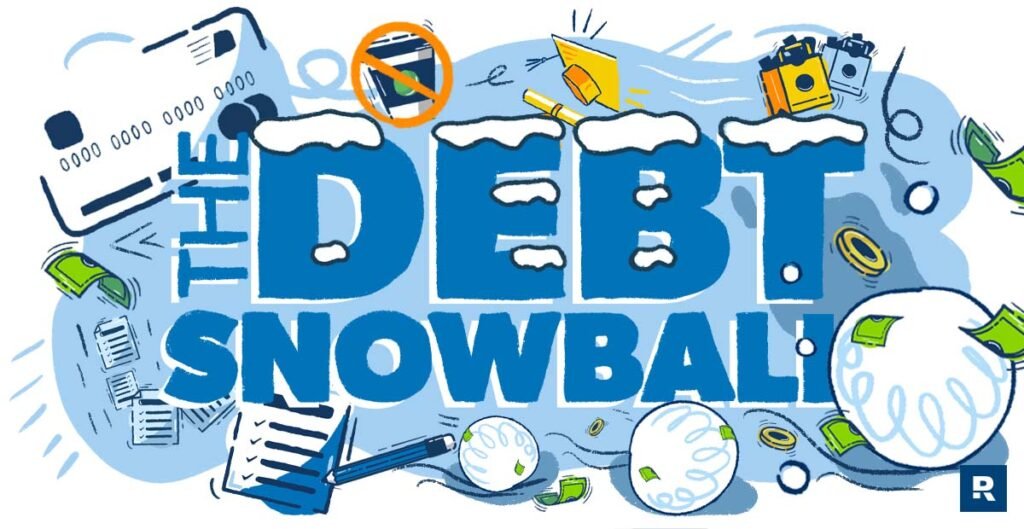
Most people have heard of the snowball method—pay off the smallest balance first for psychological wins.
I tried it. It helped emotionally, but financially it wasn’t optimal for my situation.
So I flipped it.
Instead of smallest balance, I targeted the highest interest rate first.
Here’s how my repayment priorities changed:
| Loan Type | Balance | Interest Rate | Priority (Old) | Priority (New) |
|---|---|---|---|---|
| Credit card | $3,200 | 24% | 2 | 1 |
| Personal loan | $2,500 | 18% | 1 | 2 |
| Store financing | $1,300 | 0% | 3 | 3 |
This shift reduced how much interest accumulated each month.
Estimated impact:
| Strategy | Total Interest Paid |
|---|---|
| Standard snowball | $2,100 |
| Reverse snowball | $1,450 |
Savings: ~$650
It required more discipline because progress felt slower at first. But mathematically, it made a difference.
- negotiating loan terms before missing payments
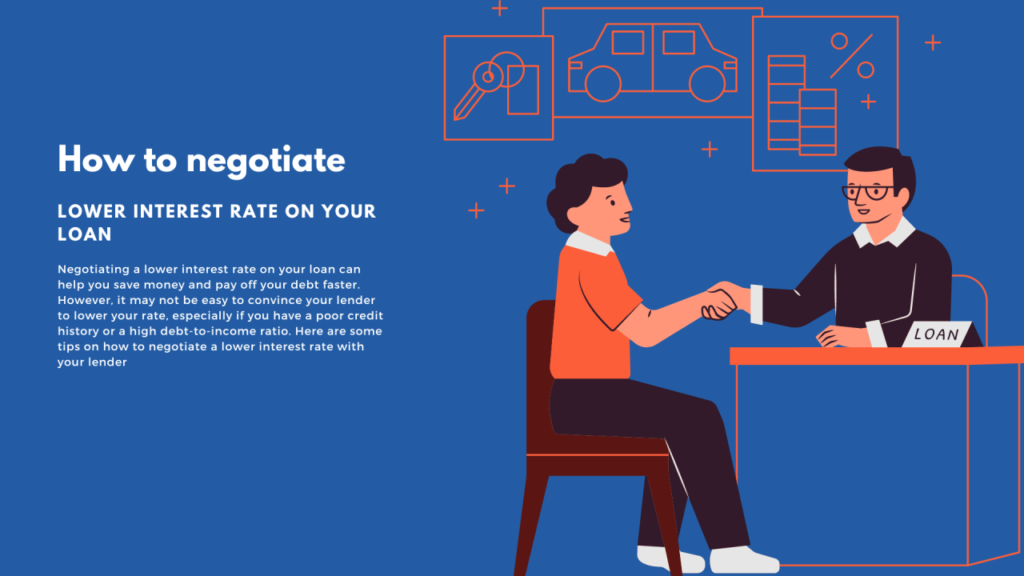
There’s a common mistake people make: waiting until they’ve already missed payments before asking for help.
I almost did the same.
Instead, I reached out early—before things got worse.
What I asked for:
- Lower interest rates
- Temporary payment reductions
- Extended loan terms
Here’s how one negotiation played out:
| Factor | Before Negotiation | After Negotiation |
|---|---|---|
| Interest rate | 18% | 12% |
| Monthly payment | $110 | $85 |
| Loan term | 24 months | 30 months |
Monthly relief: $25
That may not sound like much, but across multiple loans, it created breathing space.
Important insight:
| Timing of Request | Likelihood of Approval |
|---|---|
| Before missed payments | High |
| After default | Lower |
Lenders are more flexible when you’re still in good standing.
- redirecting “invisible money” into loan repayments
This was one of the most subtle but powerful changes.
I wasn’t suddenly earning more—but I found small, recurring amounts that weren’t being used effectively.
Examples:
| Source | Monthly Amount |
|---|---|
| Subscription cancellations | $25 |
| Reduced dining out | $40 |
| Cashback rewards | $15 |
| Miscellaneous savings | $20 |
Total: $100/month
Instead of letting this money disappear into general spending, I redirected it entirely toward loan repayment.
Impact over time:
| Extra Payment | Loan Duration Reduced |
|---|---|
| $50/month | -6 months |
| $100/month | -11 months |
The key wasn’t the amount—it was consistency.
This approach didn’t feel restrictive because it didn’t rely on major sacrifices. It relied on awareness.
- avoiding “payment trap refinancing”
At one point, I was offered a refinancing option that looked appealing: lower monthly payments.
But when I looked closer, I realized something important—the loan term was extended significantly.
Here’s the comparison:
| Factor | Original Loan | Refinanced Loan |
|---|---|---|
| Monthly payment | $200 | $130 |
| Loan term | 24 months | 48 months |
| Total paid | $4,800 | $6,240 |
Lower monthly cost—but $1,440 more overall.
Instead of accepting immediately, I adjusted the approach:
- Negotiated a moderate term extension
- Kept payments closer to original level
Revised outcome:
| Factor | Adjusted Plan |
|---|---|
| Monthly payment | $170 |
| Loan term | 30 months |
| Total paid | $5,100 |
Savings compared to refinancing: $1,140
Lesson:
Monthly affordability matters—but total cost matters more.
combined results snapshot
Individually, these changes helped. Together, they shifted my trajectory.
| Hack Applied | Financial Impact |
|---|---|
| Selective consolidation | Lower interest |
| Reverse snowball | $650 saved |
| Early negotiation | Monthly relief |
| Redirected funds | Faster payoff |
| Avoided bad refinancing | $1,140 saved |
Estimated total improvement: $2,000+
But beyond numbers, the real impact was control.
a simple decision framework i started using
Every loan-related decision now goes through this filter:
| Question | Purpose |
|---|---|
| Does this reduce total interest? | Avoid hidden costs |
| Am I solving a short-term or long-term issue? | Clarify intention |
| Can I negotiate before committing? | Create flexibility |
| What happens if I delay this decision? | Gain perspective |
| Is this adding or reducing debt pressure? | Maintain direction |
This takes less than a minute but prevents costly mistakes.
patterns that became obvious over time
After applying these hacks, certain patterns stood out:
- Lenders are more flexible than they appear
- Small changes compound faster than expected
- Lower monthly payments aren’t always better
- Timing decisions matters as much as the decisions themselves
Perhaps the most important realization was this:
Debt doesn’t just come from borrowing—it comes from not questioning the terms.
faqs
- is consolidating loans always a good idea?
Not always. It depends on interest rates and terms. Consolidating high-interest debt can help, but including low or zero-interest loans may increase overall cost. - what’s the difference between snowball and reverse snowball methods?
The snowball method focuses on paying off the smallest balances first, while the reverse snowball (or avalanche) targets the highest interest rates first to save more money. - when should i contact lenders to negotiate?
As early as possible—preferably before missing any payments. Early communication increases the chances of better terms. - can small extra payments really make a difference?
Yes. Even $50–$100 extra per month can significantly reduce loan duration and total interest. - is refinancing a bad option?
Not necessarily. It can help in some cases, but you must compare total repayment cost—not just monthly payments. - what’s the fastest way to reduce loan pressure?
Negotiating interest rates and redirecting unused money toward repayments are often the quickest wins.
final thoughts
Loans aren’t inherently bad. In many cases, they’re necessary. The problem begins when they’re accepted without question, managed passively, or adjusted too late.
What worked for me wasn’t a single dramatic move—it was a series of smaller, intentional decisions. Each one reduced pressure slightly. Over time, those reductions added up.
The shift wasn’t just financial—it was mental. I stopped reacting to debt and started managing it.
And once that change happens, everything else becomes easier to handle.